皆さんこんにちは!
Living in Japan as a foreigner means facing a culture that is completely different from what many of us are used to. Some people adapt quickly, while others decide to experience Japan only for a short time before returning to their home country.
In this article, I’ll share my biggest cultural shocks in Japan and how I managed to adapt to Japanese daily life.
If you’re thinking about moving to Japan, keep reading!
👋 1. First Impressions in Japan: When Everything Feels Like an Anime
In one of my first posts, I wrote about my unfortunate first experience in Japan. Even though my phone had died and I couldn’t speak Japanese, I didn’t panic. Deep down I knew I’d figure things out and get to my destination.
Guide for your first day in Japan with WH
But… what were my first impressions?
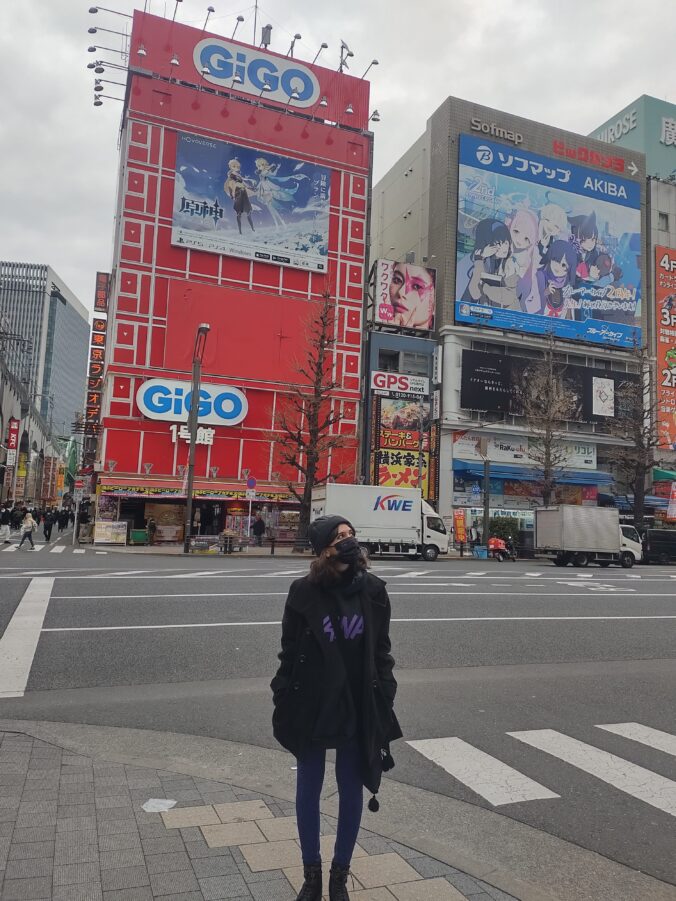
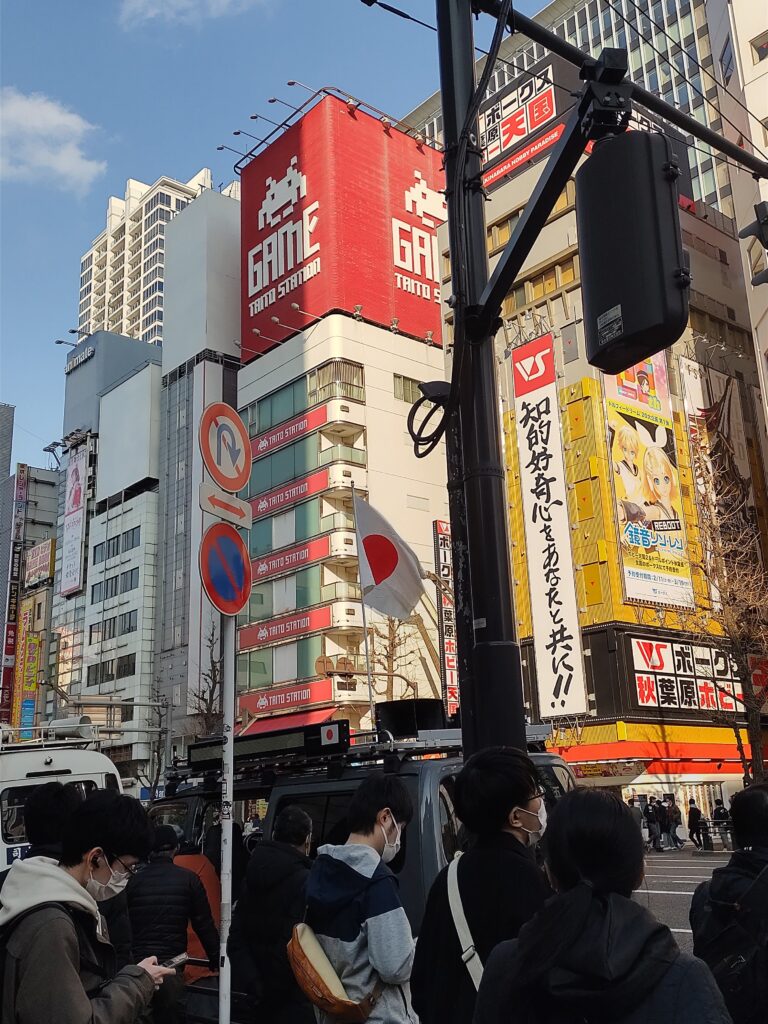
The first time I went out, I headed straight to Akihabara, the closest neighborhood to Nippori where I was staying. It was a day full of amazement: I looked at every detail, filmed, took photos, and couldn’t believe I was really in Japan. Everything I had seen online was now in front of me. I even felt like crying out of excitement—it all seemed unreal.
In those first days, Japan felt like a dream, but also strangely familiar, probably because I had seen so many pictures and videos before. Even when I took the wrong train, I got off, walked around a random neighborhood, and kept thinking:
“Wow, I’m in Japan.”
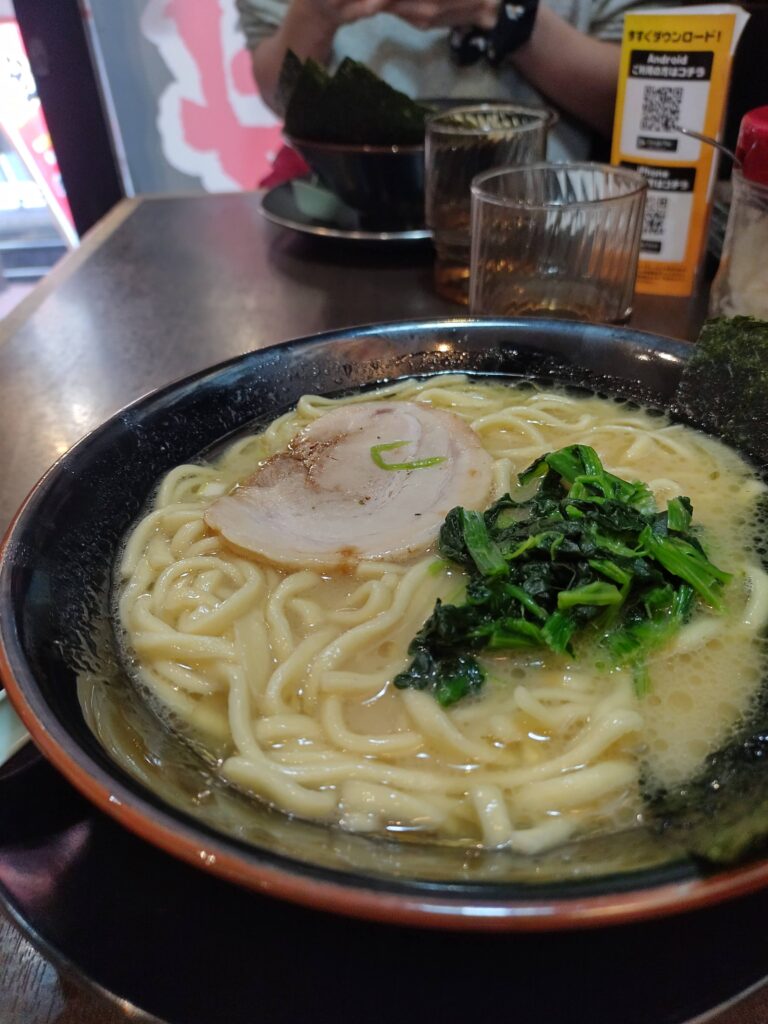
I also tried ramen for the first time in one of those shops where you order from a vending machine. It felt so futuristic, just like the payment system in konbini convenience stores.
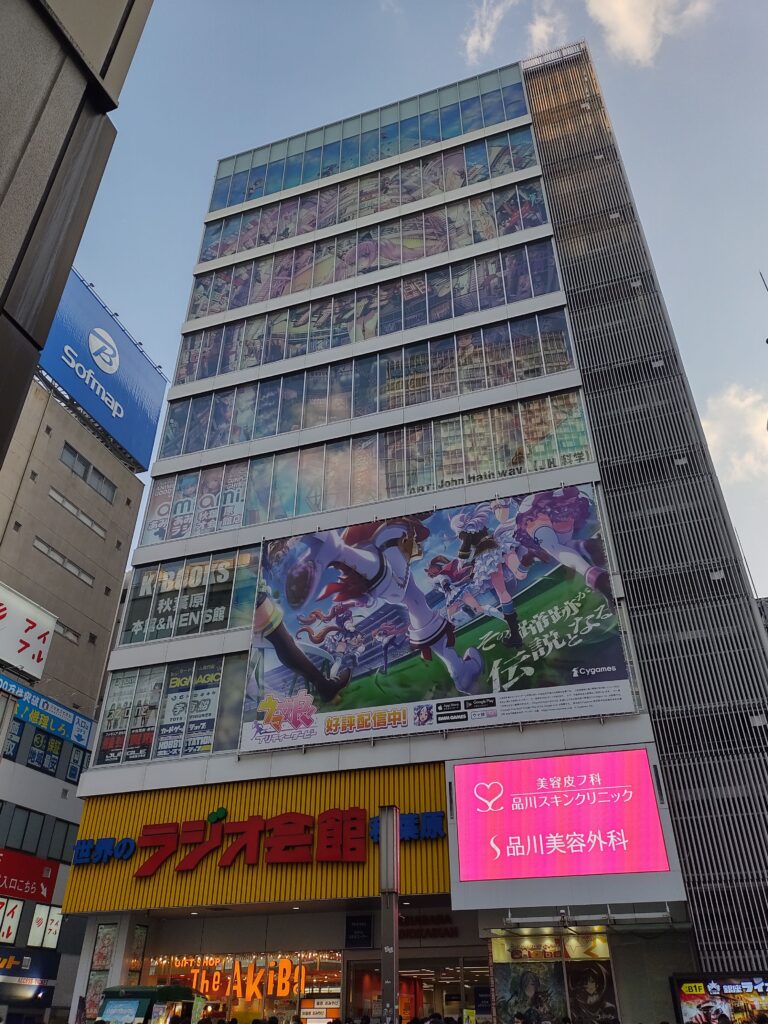
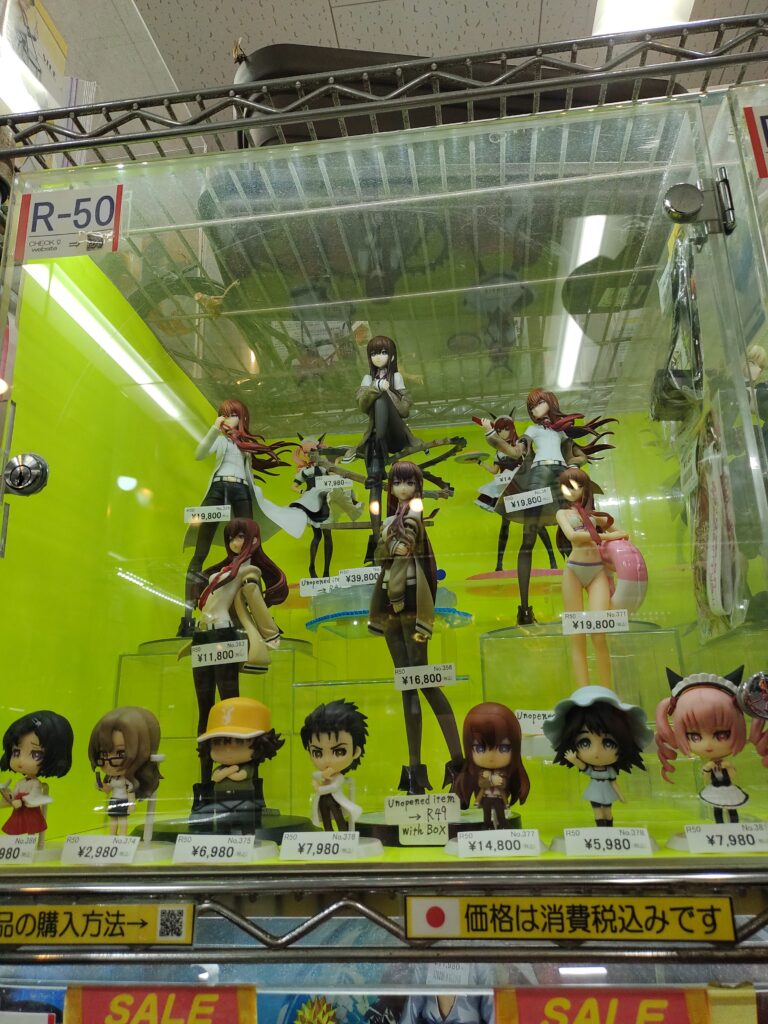
And of course, related to anime, visiting Radio Kaikan (which appears in Steins;Gate), hearing the crosswalk sounds, the school bells, or the train passing by… it felt like living inside an animation.
That’s how everything started…
🗣️ 2. Japanese Communication Style: What Foreigners Find as Cultural Shock
One cultural shock many foreigners talk about is tatemae: the “polite mask” that Japanese people often use. But honestly, I think this happens everywhere—no one is openly rude to strangers, right?
That’s why customer service in Japan feels so kind and helpful. Even if it seems exaggerated, you’re welcomed with a smile.
But when it comes to making friends in Japan, things can be tricky. If you feel people aren’t being completely honest, it can hurt. Japanese people often avoid saying “no” directly, so you have to learn to read between the lines.
If someone hesitates a lot, it usually means disagreement. And if a compliment feels too over-the-top, it might not be 100% sincere. It’s not the same to say:
“Nice to see you”
as:
“AAAAHHH, SO GREAT TO SEEEEEE YOUUUU!!” with dramatic acting included (yes, true story 😅).
Luckily, I quickly found a circle of Argentine friends, and I also met Japanese friends with a more open mindset. Most of my other connections were temporary, nice, but mostly work-related.
⏰ 3. Japanese Punctuality: Why Being One Minute Late Is a Big Deal
Latin Americans often have a reputation for being late. In Japan, however, being even one minute late is considered disrespectful.
With friends, it might be forgiven, but in the workplace, it can cause real issues.
I always tried to arrive at least 10 minutes early, but train delays sometimes made me late. Even then, I’d immediately get messages asking what had happened.
Now I’m used to it and rarely arrive late. I always plan extra time in case something goes wrong.
Fun fact: at one of my part-time jobs (a hostel), some Japanese coworkers admitted being late simply because they overslept. I was surprised at how honest they were! Maybe part-time jobs (baito) are more flexible. That was a non-expected cultural shocks in Japan, haha.
🥢 4. Unwritten Rules in Japanese Public Spaces
I already mentioned some of this in my article What to Do and Not to Do in Japan, but even knowing them beforehand, some rules still shocked me.
For example, there are no trash bins or benches on the streets. After hours of walking, it can be tough not finding a place to rest.
I was also impressed by how organized smoking areas are and the amount of respect people show in train stations or busy streets. It’s like silent chaos, but still orderly.
🧠 5. Rigid Mentality in Japan: When Going Off-Manual Isn’t an Option
This is one cultural shock I still struggle with. Many Japanese people find it difficult to step outside of what they’ve been taught.
If something is done a certain way, it has to stay that way—even if there’s an easier or more logical solution.
For example: at work, one coworker suggested a more efficient way to bake cookies. But my boss hesitated because the method had already been “decided.” She eventually agreed, but it took effort to break away from the manual.
The same happens in restaurants: if a customer requests removing an ingredient or something out of the ordinary… staff often freeze, not knowing what to do.
😅 6. Funny and Random Cultural Shocks in Japan
Here are some surprising (and fun!) things I noticed:
- Most people pushing strollers… are carrying dogs, not babies!
- Dogs are super pampered: purebred, dressed up, and always clean.
- Locks open the opposite way—you turn the key from left to right.
- It took me a while to get used to traffic moving on the left. I often looked the wrong way.
- Cleaning products are next-level: sticky rollers for carpets, wipes for everything, disposable cleaners. Pure magic!
- People protect themselves a lot from the sun: long sleeves, umbrellas, visors. And yes… I’ve joined them too.
🌱 7. Lessons Learned: Adapting to Japanese Culture Without Losing Yourself
So, what did I learn from these cultural shocks?
If you come with an open mind, adapting to Japanese culture isn’t as hard as you may think. I expected it to take months, but it was much easier.
What many foreigners miss, especially Argentines, is the warmth of hugs and spontaneous hangouts. Luckily, I had a support circle from the beginning, which made it much easier.
Today, many aspects of Japanese culture have become part of my daily life without me noticing. Others still surprise me, but what I know for sure is that I feel very comfortable living here.
✨ How about you? Have you experienced similar cultural shocks in Japan?
If you already live here, I’d love to hear about your own experiences and how you adapted.
And if you’re planning to come, tell me what excites you the most—or what scares you. Share in the comments 💬👇
よろしく、
花ちゃん
Leave a Reply