ES / EN

Life in Japan

Author: Hana (Page 1 of 2)

Dating in Japan: My Experience and What I Learned 🩷

💌 Expectations vs. Reality of Dating in Japan

皆さんこんにちは!
This time, I want to talk a bit about what it’s like dating in Japan — always, of course, from my own experience. Remember, every person is different.

And for those who idealize Asian people: no, it’s not like in the dramas.

In my case, before coming to Japan, I had no expectations because I didn’t even plan to date. However, I did have the image that it wouldn’t be too hard, but that Japanese people were much more reserved and less affectionate or romantic — based on YouTube videos I used to watch.

When those moments finally came, some turned into funny stories, others repeated the same patterns, and a couple ended in disappointment.
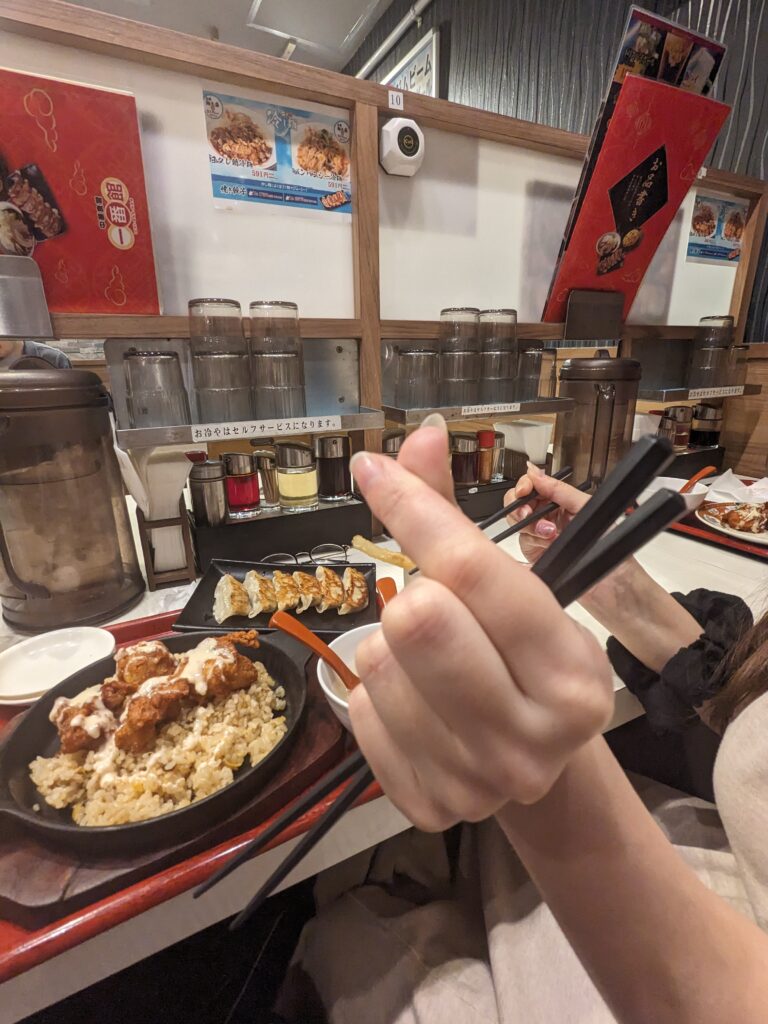
dating in Japan

🌸 Cultural Differences I Noticed When Dating Japanese People

Something that will always happen when dating someone from another country is cultural differences — especially when the cultures are as opposite as ours.

And this doesn’t just apply to dating, but also to friendship. Some examples I’ve noticed about dating in Japan include:

  • Japanese people don’t text all the time. They can take a couple of days to reply. It can be discouraging and make you lose interest, but it’s not personal — it’s just how they are.
  • They struggle to express their feelings and tend to avoid conflict. Beyond their shyness and calm pace, a downside when dating is that they rarely say things directly. You’ll notice excuses, changes in behavior, or — in the worst case — ghosting, leaving you wondering what happened.
  • At least for me, reading signals has been tricky. Until you get used to how they communicate and behave, there can be a lot of misunderstandings.
  • Of course, the language barrier is a big one. If you don’t speak Japanese or the other person doesn’t speak English, it’s very difficult to move forward. Don’t expect much beyond something casual. I definitely recommend learning the language, but if you’re looking for a partner, it’s better if they’ve lived abroad or have foreign friends.
  • Finally, Japanese people really respect personal space and time. Their way of showing affection can feel quite cold compared to how we Latinos express it.

👉 Read also: Friendship in Japan: My Personal Experience and Tips
dating in Japan

💬 Communication: Between Shyness and Misunderstandings

When it comes to this, I want to share one of my experiences.

I briefly dated a Japanese guy I met at one of my jobs. There was chemistry right from the start, and we talked a lot on LINE. At first, his replies were quite frequent for a Japanese person, and we also saw each other at work.

Everything started off great, and most of the time, he was the one initiating plans. We started going out and, even though we didn’t have an official title, we acted like a couple. However, every time we met, there was some kind of misunderstanding. We liked talking about deep topics, but the language barrier made it complicated.

Even though he knew some English and I could understand a bit of Japanese, there were things we just couldn’t express the way we wanted. One day, things simply changed — he didn’t have the courage to face and end things, so he started becoming distant, ignoring me, and treating me more like a friend.

This is a behavior I’ve seen in other people too — when something doesn’t work, they slowly disappear.

The problem was that I still had to see him at work. Luckily, I quit not long after, and that was the end of it. But it was a pretty disappointing and painful story.

🌏 Finding Balance Between Two Cultures

For me, dating people from different cultures is challenging but also enriching and exciting.

Regardless of where someone is from, every person teaches you something new. The cultural difference just adds more spice to it.

So, for things to work, there needs to be balance — and most importantly, communication.

👉 Read also: Cultural Differences in Japan and How I Adapted

🍵 What Helped Me Enjoy Dates (Without Getting Frustrated)
A friend once told me, “Just go and enjoy the date. If it goes well and you meet again, great. If not, at least you had a nice time.”

And honestly, he was right. Even though I’m a pretty social person, I often feel lazy about dating — repeating the same questions, the same stories… So, for me, a good date is the one that breaks the pattern.

The key is not to go with high expectations, and don’t spend more than two hours meeting someone for the first time — unless you’re really having fun, of course.

🌿 When You Learn Not to Force Things

Something I learned in Japan is not to force things when another person is involved. You can be persistent and work hard for what you want when the focus is on yourself — but when it involves someone else, you can’t force or expect them to think or feel the same way you do.

If you let go of control and the anxiety of waiting for replies or plans, you’ll feel much more relaxed.

✨ The Best Part: Learning From Every Encounter

Some people go on many dates; others meet one or two people and start dating officially right away. There are countless stories and experiences.

What matters is that every date is unique — a lesson, a moment, and sometimes even a funny story to share with friends later, haha.

In Japan, many foreigners use Bumble for casual dates or relationships. Others use language exchange apps like HelloTalk or Tandem.

💭 Final Thoughts: Real Connections Beyond Language and Culture

I could share many more interesting and funny stories, but this post would get way too long.

To wrap up, my reflection is that what really matters when dating in Japan is being able to connect genuinely — beyond language, cultural differences, and expectations.

And tell me, have you ever dated a Japanese person? How was your experience? I’d love to read your stories! 💕

よろしく、

花ちゃん.
How Much Does It Cost to Live in Japan 💴

皆さんこんにちは!
One of the most common questions is how much does it coast to live in Japan and whether it’s enough to cover your basic expenses and still save money.
In this article, I’ll share a guide based on my own experience and information I’ve gathered, taking Tokyo as the reference point.

Stay until the end to make the most of your time in Japan!

live in Japan

🏠 1️⃣ Accommodation: The biggest expense

No matter what kind of place you rent, housing will take the biggest portion of your budget — anywhere from ¥50,000 to ¥120,000 or even more.
It depends on the area, size, year of construction, and whether you’ll share with someone else.

What type of housing should you choose?

If you’re coming with a Working Holiday visa, I recommend starting with a share house or hostel, especially if you plan to move around different areas of Japan. They usually allow short-term stays (three months or less), and the rent often includes all utilities — electricity, gas, and water — so you don’t need to set them up separately.

Of course, one thing that can be either positive or negative (depending on your personality) is that you’ll share all common areas with other people. In some places, a minimum stay of three months is required.

If you’re planning to live longer in Japan, it’s more convenient and cost-effective to rent an apartment. Most contracts require at least two years (sometimes one), and it’s a bit more complicated to set up at first — you’ll need to pay a lot upfront — but monthly rent is often reasonable.


I talk about this more in another post: Renting an Apartment in Japan as a Foreigner.

Rent prices by city

Location makes a huge difference. Living in areas outside central Tokyo, such as Saitama or Kanagawa, will be cheaper than neighborhoods like Shinjuku or Shibuya.
The farther you live from the city center, the more affordable it is.

However, you’ll need to consider the commute time if you work in central Tokyo. It’s not so much about the cost (since many companies cover part or all of your transportation), but the physical exhaustion of traveling over an hour each way every day.

Additional costs: Deposit, key money, furniture

As I mentioned in the other post, there are also extra costs when renting — a deposit (usually one month’s rent), key fees, and sometimes cleaning or insurance fees.

If you choose a share house, you won’t need to worry about furniture. Some apartments also come furnished.

But if you want to decorate and make the space your own, you can buy new furniture (it’ll require some budgeting) or go for second-hand shops.

From my own experience: my first apartment came unfurnished, so I bought a fridge and washing machine from a second-hand shop for about ¥70,000 total. Then, I used Jimoty to find free or super cheap furniture (I even got a really comfy sofa!), and finally, I used Amazon.
When I moved to a new apartment that was already furnished, I kept some items and sold the rest through Facebook groups.

Tips for saving on housing while live in Japan

If your goal is to spend as little as possible:

  • Choose an area a bit farther from the city center.
    For example, I’ve lived in Suginami-ku, a super convenient area well connected to Shinjuku. If you prefer the other side of Tokyo, Taito-ku is another great option.
  • Talk to other foreigners living in Japan — sometimes they’ve rented directly from the owner and can share contacts, saving you agency fees.
  • When going through an agency, clearly state your budget so they can give you realistic options.
  • Be open-minded about older, smaller, or more remote places.
  • Visit second-hand stores, use Jimoty, Mercari, or Facebook Marketplace.
Live in Japan

🍱2️⃣ Food: Supermarkets, restaurants, and money-saving tips

Now let’s talk about another essential topic — food.
You might think cooking at home is always cheaper, and while it can be healthier, eating out in Japan can actually be very affordable if you know where to go.

Grocery shopping in Japan

Of course, this depends on your habits and whether you live alone or with someone.
There are many supermarket chains, and prices vary, so it’s best to check which options are near you.

Personally, I often go to OK Super, sometimes My Basket, and occasionally Life. On average, I spend around ¥15,000–¥20,000 per month on groceries.

Eating out: Restaurants and convenience stores

vivir en Japón

As I mentioned, eating out can be cheap.
If you don’t feel like cooking or didn’t prepare a bento for work, you can easily find budget options:

  • 🍜 Ramen shops: around ¥1,000
  • 🍣 Sushi chains: ¥2,000–¥3,000 for several plates
  • 🍛 Family restaurants like Saizeriya, Café Gusto, or Sukiya: ¥1,000–¥2,000
  • 🥢 Konbini bentos: about ¥700

Plus, tea or water is free in most restaurants, so you don’t need to spend extra on drinks.

I, for example, don’t eat much — a small pizza and a few chicken wings at Saizeriya are enough for me — so eating out remains pretty cheap.

Expensive items and cheaper alternatives

Some foods are naturally pricey in Japan — like vegetables, fruits, and meat.
If you eat a lot of those, expect higher grocery bills.

But there are cheaper and nutritious options like mushrooms, tofu, and chicken or pork.
And if you enjoy healthy snacks like nuts, it’s okay to spend a bit more — balance is key!

🚆3️⃣ Transportation: Getting around Japan

If you live in Japan, transportation is another big expense
Including your commute and leisure trips, you might spend at least ¥30,000 per month, but remember — most companies reimburse transportation costs, which helps a lot.

Trains, buses, and bicycles

In Tokyo and other major cities, trains are the most convenient way to get around — everyone uses them.
Fares range from ¥200 to ¥2,000 depending on the distance, though it’s rare to spend over ¥1,500 on one trip, at least you go outside Tokyo. The average is about ¥500 per ride.

Buses are usually around ¥200 but are less convenient unless there’s no train nearby.

vivir en Japón

And if you live close to your workplace or the station, I highly recommend getting a bicycle. It saves money, keeps you active, and you can find one cheaply on Jimoty or Facebook.

Commuter Pass and discounts

One great thing about trains is the Commuter Pass (定期券 teikiken).
You can buy it through your transportation card app if you regularly commute on the same route.

Basically, it gives you a discounted fare for workers or students.
You just select your start and end stations, choose how long (1, 3, or 6 months), and pay upfront.
Then, during that time, you can ride freely within that route without topping up your card.

If you travel outside your zone, you’ll just pay the difference.
For example, if your pass covers Mitaka → Shinjuku but you go to Shibuya, you’ll pay for the Shinjuku–Shibuya section.

Combined with your company’s transport allowance, this can really help you save!

📱4️⃣ Other expenses: Phone, insurance, and entertainment

Let’s wrap up with the last part — those extra monthly expenses that also matter: phone plans, insurance, and fun.

Mobile plans: Affordable options

Two popular options when you first arrive are Mobal and JP Smart, since you can sign up easily with just your passport.
However, they’re quite expensive, so I recommend switching once you have your Zairyu Card.

A great option is Rakuten Mobile.
Their plan adjusts based on how much data and calls you use:

  • under 3GB → ¥1,000
  • up to 20GB → ¥2,000
  • over 20GB → unlimited for around ¥3,000

Click here if you want to know What to do in your first day in Japan

Health insurance and pension

You’ll have to pay for health insurance and pension, both mandatory.
Depending on how long you’ve lived in Japan, you may also be charged other taxes based on the previous year’s income.

If you’re on a Working Holiday or have low income, you can request pension exemption or reduction.
Eventually, if you’re planning to live in Japan, you’ll have to pay — especially if you plan to stay long-term or have a full-time job.

If you’re full-time, your company usually handles this, and they’ll deduct around 30% from your salary.
Currently, I pay both myself and spend about ¥26,000 per month in total.

Leisure and entertainment

For fun and tourism, Japan offers endless options — from free parks to themed cafés!

If you want to save money, there are many free or inexpensive spots, like temples, gardens, and museums.
For instance:

  • Ghibli Museum (Mitaka) → ¥1,000
  • Shinjuku Gyoen Park → ¥500
  • Torikizoku (izakaya) → ¥360 per dish or drink
  • Karaoke → cheaper on weekdays with “free time” deals
  • Cinema tickets → around ¥3,000, but look for discount days

For something special, I highly recommend visiting DisneySea — it’s unique to Japan!
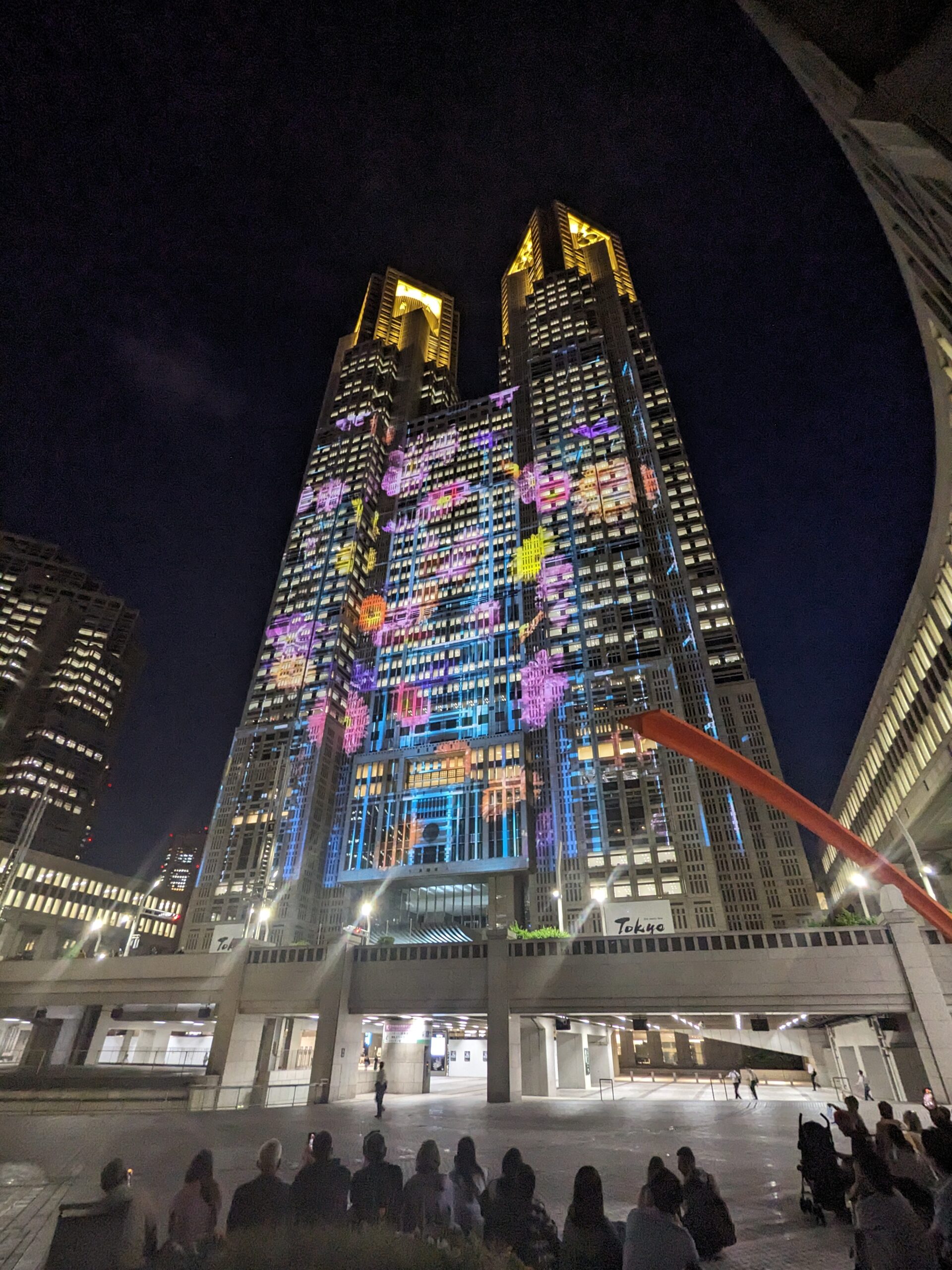
And for breathtaking views, try the Tokyo Metropolitan Government Building observatory in Shinjuku — it’s free and offers a 360° city view.
Another great one is the Chiba observatory, where you can see Tokyo, Chiba, and Kanagawa at once.

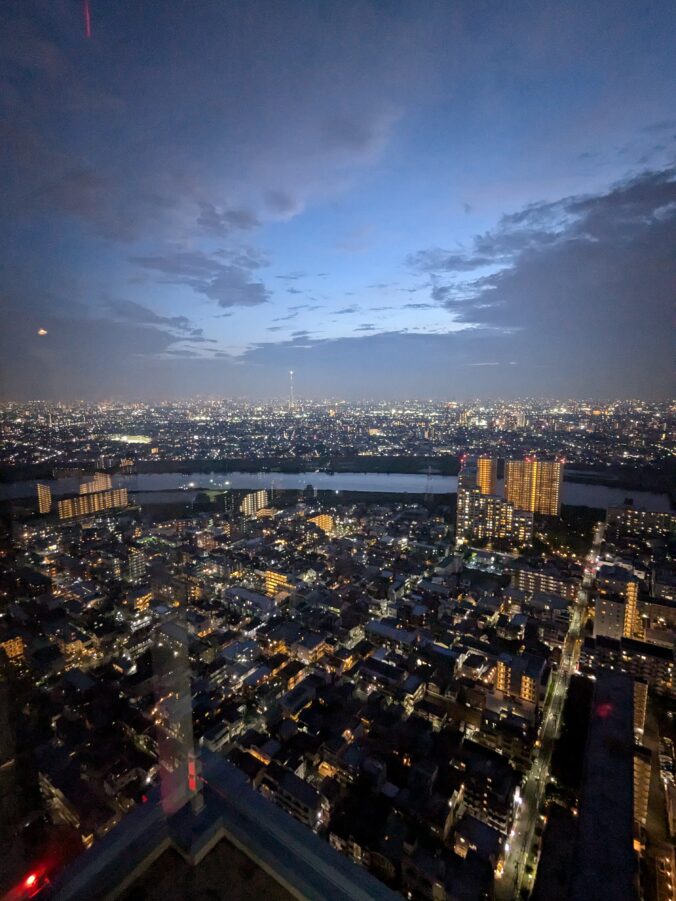
Edificio del Gobierno Metropolitano, Shinjuku

💡5️⃣ How much do you need per month to live in Japan

To wrap up — how much do you really need?
It depends on your lifestyle and goals.

If you’re here on a Working Holiday, enjoy and invest in experiences — travel around Japan, try new things!
If you’re living here long-term, you can take it slower and adjust monthly.

💰 In conclusion, you can live comfortably with ¥170,000–¥200,000 per month.

Japan can be expensive, but with good planning, you can live well and enjoy every moment.

My advice: Adjust your budget according to your priorities, and take advantage of the many affordable options available.

If you have any questions or want to share your own experience, leave me a comment below!

よろしく、

花ちゃん

Cultural Shocks in Japan and How I Adapted 🌏🇯🇵

皆さんこんにちは!

Living in Japan as a foreigner means facing a culture that is completely different from what many of us are used to. Some people adapt quickly, while others decide to experience Japan only for a short time before returning to their home country.

In this article, I’ll share my biggest cultural shocks in Japan and how I managed to adapt to Japanese daily life.

If you’re thinking about moving to Japan, keep reading!

choques culturales
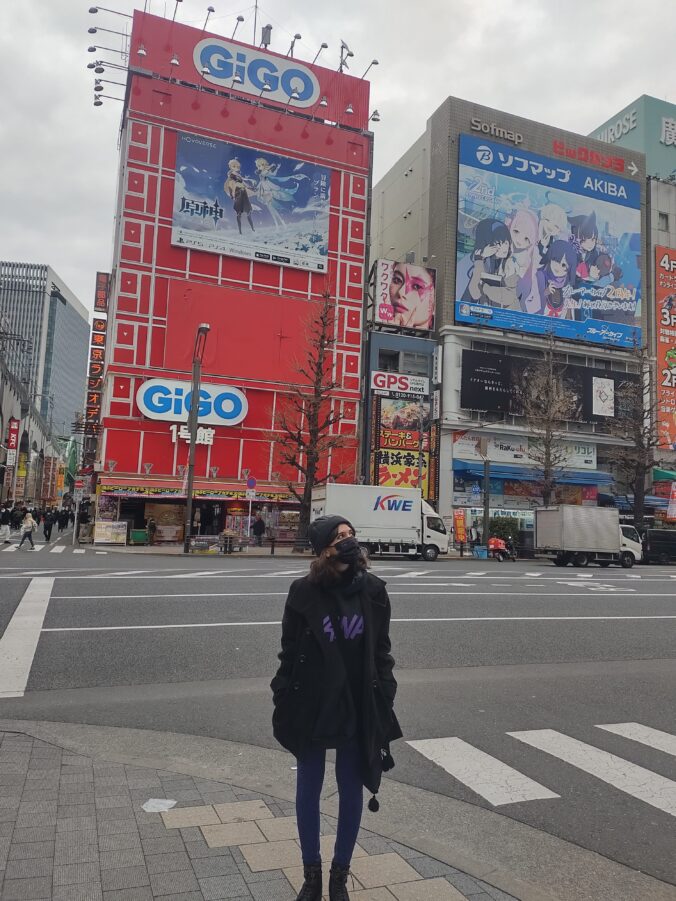
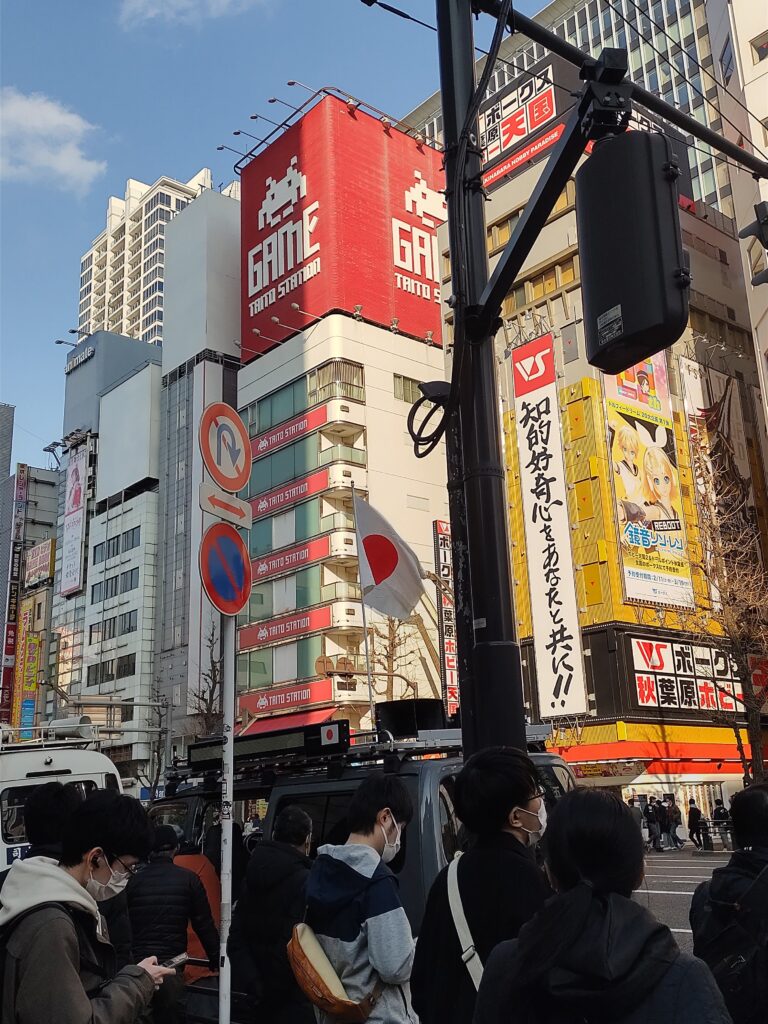
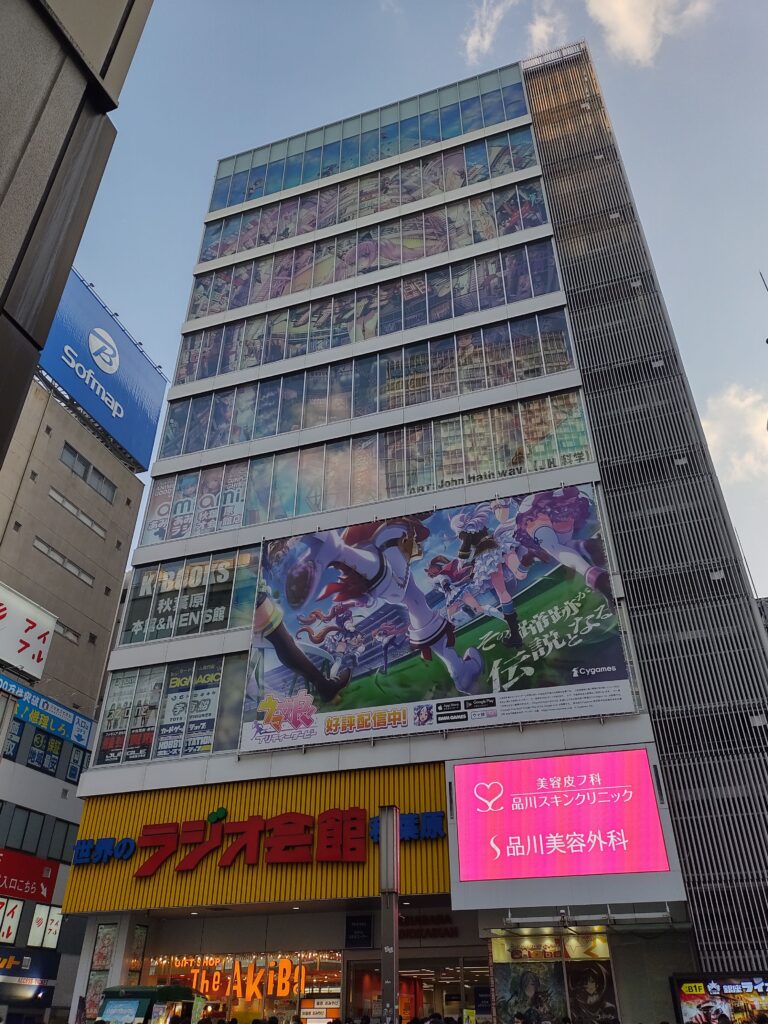
Akihabara, Tokyo

👋 1. First Impressions in Japan: When Everything Feels Like an Anime

In one of my first posts, I wrote about my unfortunate first experience in Japan. Even though my phone had died and I couldn’t speak Japanese, I didn’t panic. Deep down I knew I’d figure things out and get to my destination.

Guide for your first day in Japan with WH

But… what were my first impressions?
The first time I went out, I headed straight to Akihabara, the closest neighborhood to Nippori where I was staying. It was a day full of amazement: I looked at every detail, filmed, took photos, and couldn’t believe I was really in Japan. Everything I had seen online was now in front of me. I even felt like crying out of excitement—it all seemed unreal.

In those first days, Japan felt like a dream, but also strangely familiar, probably because I had seen so many pictures and videos before. Even when I took the wrong train, I got off, walked around a random neighborhood, and kept thinking:
“Wow, I’m in Japan.”

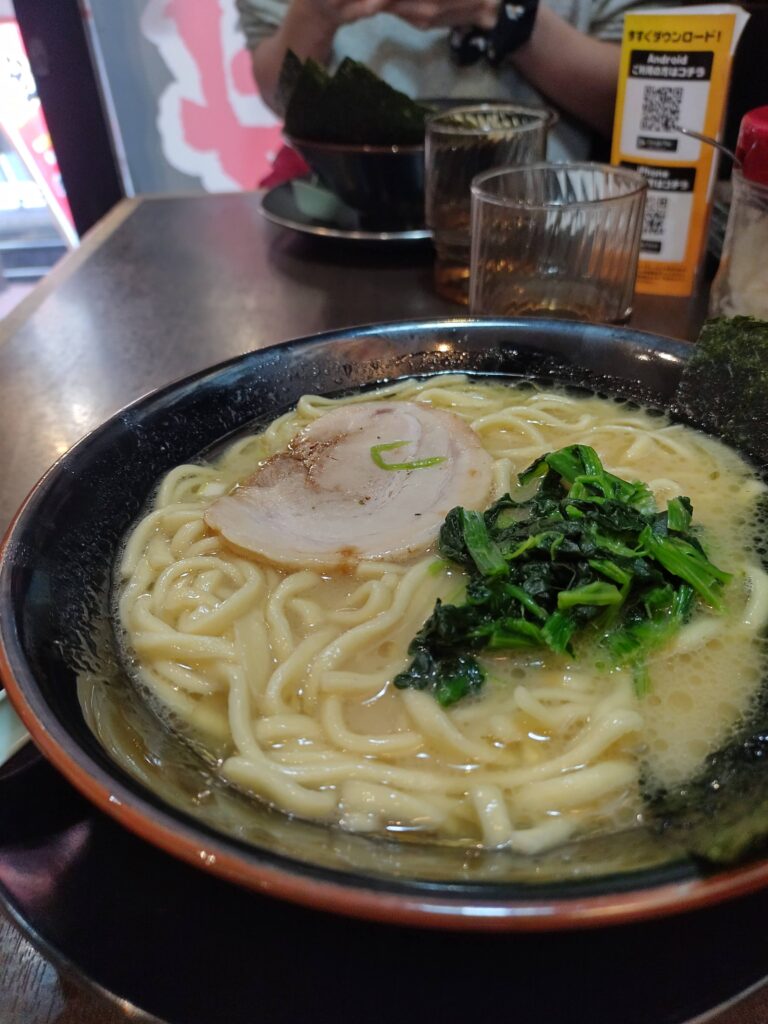
My first ramen in Japan

I also tried ramen for the first time in one of those shops where you order from a vending machine. It felt so futuristic, just like the payment system in konbini convenience stores.

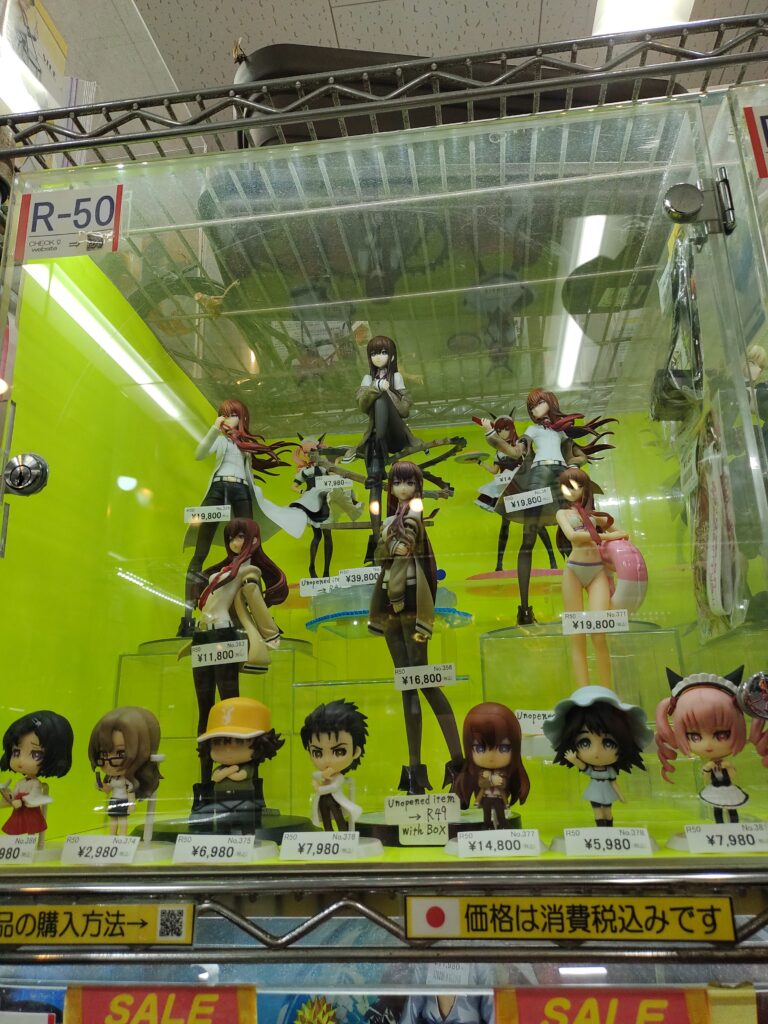
And of course, related to anime, visiting Radio Kaikan (which appears in Steins;Gate), hearing the crosswalk sounds, the school bells, or the train passing by… it felt like living inside an animation.

That’s how everything started…

🗣️ 2. Japanese Communication Style: What Foreigners Find as Cultural Shock

One cultural shock many foreigners talk about is tatemae: the “polite mask” that Japanese people often use. But honestly, I think this happens everywhere—no one is openly rude to strangers, right?

That’s why customer service in Japan feels so kind and helpful. Even if it seems exaggerated, you’re welcomed with a smile.

But when it comes to making friends in Japan, things can be tricky. If you feel people aren’t being completely honest, it can hurt. Japanese people often avoid saying “no” directly, so you have to learn to read between the lines.

If someone hesitates a lot, it usually means disagreement. And if a compliment feels too over-the-top, it might not be 100% sincere. It’s not the same to say:
“Nice to see you”
as:
“AAAAHHH, SO GREAT TO SEEEEEE YOUUUU!!” with dramatic acting included (yes, true story 😅).

Radio Kaikan

Luckily, I quickly found a circle of Argentine friends, and I also met Japanese friends with a more open mindset. Most of my other connections were temporary, nice, but mostly work-related.

⏰ 3. Japanese Punctuality: Why Being One Minute Late Is a Big Deal

Latin Americans often have a reputation for being late. In Japan, however, being even one minute late is considered disrespectful.

With friends, it might be forgiven, but in the workplace, it can cause real issues.
I always tried to arrive at least 10 minutes early, but train delays sometimes made me late. Even then, I’d immediately get messages asking what had happened.

Now I’m used to it and rarely arrive late. I always plan extra time in case something goes wrong.

Fun fact: at one of my part-time jobs (a hostel), some Japanese coworkers admitted being late simply because they overslept. I was surprised at how honest they were! Maybe part-time jobs (baito) are more flexible. That was a non-expected cultural shocks in Japan, haha.

🥢 4. Unwritten Rules in Japanese Public Spaces

I already mentioned some of this in my article What to Do and Not to Do in Japan, but even knowing them beforehand, some rules still shocked me.

For example, there are no trash bins or benches on the streets. After hours of walking, it can be tough not finding a place to rest.

I was also impressed by how organized smoking areas are and the amount of respect people show in train stations or busy streets. It’s like silent chaos, but still orderly.

🧠 5. Rigid Mentality in Japan: When Going Off-Manual Isn’t an Option

This is one cultural shock I still struggle with. Many Japanese people find it difficult to step outside of what they’ve been taught.

If something is done a certain way, it has to stay that way—even if there’s an easier or more logical solution.

For example: at work, one coworker suggested a more efficient way to bake cookies. But my boss hesitated because the method had already been “decided.” She eventually agreed, but it took effort to break away from the manual.

The same happens in restaurants: if a customer requests removing an ingredient or something out of the ordinary… staff often freeze, not knowing what to do.

😅 6. Funny and Random Cultural Shocks in Japan

Steins;gate figures

Here are some surprising (and fun!) things I noticed:

  • Most people pushing strollers… are carrying dogs, not babies!
  • Dogs are super pampered: purebred, dressed up, and always clean.
  • Locks open the opposite way—you turn the key from left to right.
  • It took me a while to get used to traffic moving on the left. I often looked the wrong way.
  • Cleaning products are next-level: sticky rollers for carpets, wipes for everything, disposable cleaners. Pure magic!
  • People protect themselves a lot from the sun: long sleeves, umbrellas, visors. And yes… I’ve joined them too.

🌱 7. Lessons Learned: Adapting to Japanese Culture Without Losing Yourself

So, what did I learn from these cultural shocks?

If you come with an open mind, adapting to Japanese culture isn’t as hard as you may think. I expected it to take months, but it was much easier.

What many foreigners miss, especially Argentines, is the warmth of hugs and spontaneous hangouts. Luckily, I had a support circle from the beginning, which made it much easier.

Today, many aspects of Japanese culture have become part of my daily life without me noticing. Others still surprise me, but what I know for sure is that I feel very comfortable living here.

✨ How about you? Have you experienced similar cultural shocks in Japan?

If you already live here, I’d love to hear about your own experiences and how you adapted.
And if you’re planning to come, tell me what excites you the most—or what scares you. Share in the comments 💬👇

よろしく、

花ちゃん

Japanese Rules: Things to Do (and Not Do) in Japan 🇯🇵🧳

皆さんこんにちは!

Lately, some videos have gone viral showing people visiting Japan without taking the time to understand how society functions here. That’s why I want to talk to you about Japanese social rules (and legal ones too) that you should keep in mind—especially if you’re planning to live here or stay for an extended period.

japanese rules
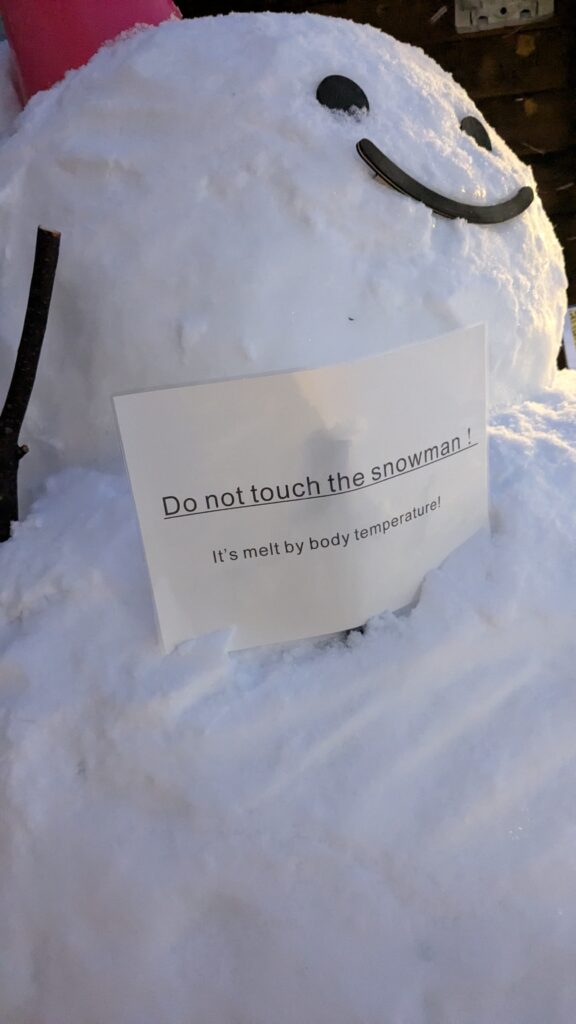
Snowman in Sapporo

This way, you’ll be able to enjoy Japan without issues—and without bothering the locals!

🤝 Between Etiquette and Japanese Intuition

There are rules in Japan that aren’t written down but are expected: society relies on them to maintain collective harmony—something highly valued in Japanese culture.

📌 Some Social Rules You Should Know:

  • Take off your shoes when entering a home or certain establishments (like tea houses or traditional inns).
  • Don’t speak loudly on the train or make disruptive noises. This also applies to elevators and other enclosed spaces.
  • Respect lines. Even when boarding trains—yes, people line up!
  • Don’t eat or drink while walking.
  • Don’t leave tips. It can be seen as rude, though international places may vary (best to ask).
  • On escalators, stand on the left and walk on the right (in Tokyo; it’s the opposite in Osaka).
  • Don’t point with your finger—use your whole hand.
  • Respect priority seats on trains.
  • Apologize and say thank you with simple phrases: sumimasen, arigatou gozaimasu.
  • Don’t stick your chopsticks upright in your rice. Also, it’s appreciated if you say itadakimasu before eating and gochisousama deshita after finishing.

Also: don’t litter. There are few public trash bins, so it’s a good idea to carry a small bag or use convenience store bins.

japanese rules

Fun fact: While eating while walking is discouraged, I have seen Japanese people do it—just very rarely. So, it’s not an unbreakable law, but still a strong social norm.

And blowing your nose? It’s frowned upon in public. But repeatedly sniffling… that’s socially acceptable. I still struggle with that one, haha.

📵 Real Japanese Rules vs What You See Online

The internet sometimes exaggerates. Japan is full of people, and not everything is followed to the letter. But it’s true that you’ll rarely see people breaking these norms, because there’s a strong sense of respect for others’ space.

For example: at stations, there are arrows showing where to walk, but during rush hour, everyone just moves where they can. In those cases, just follow the Japanese crowd and you’ll be fine.

📜 What About Written Laws in Japan?

Now let’s look at the legal rules—the ones that can get you into trouble:

Smoking in the wrong places

You’re not allowed to smoke on the streets outside of designated areas. You could be fined if you do.

Improper waste disposal

If you don’t separate your trash properly, it might not be collected—or you might get a warning.

Bicycle rules

You may get fined if:

  • Your bike isn’t registered.
  • You use headphones or your phone while riding.
  • You ignore traffic signals.
  • You ride outside designated bike zones.
  • You park in prohibited areas.

Littering or dropping cigarette butts

Aside from being frowned upon, it can cost you a fine.

Using your phone where it’s not allowed

Such as in certain banks, hospitals, museums, or temples.

Drinking alcohol in restricted places

Especially in parks or areas with clear “no drinking” signs.

Taking photos where it’s prohibited

This includes some temples, museums, or concerts.

Important: Don’t take pictures of people (especially children or babies) without permission. Or if you do, avoid showing their faces or cover them—like with an emoji.

🌏 What’s Expected from Foreigners in Terms of Japanese Rules

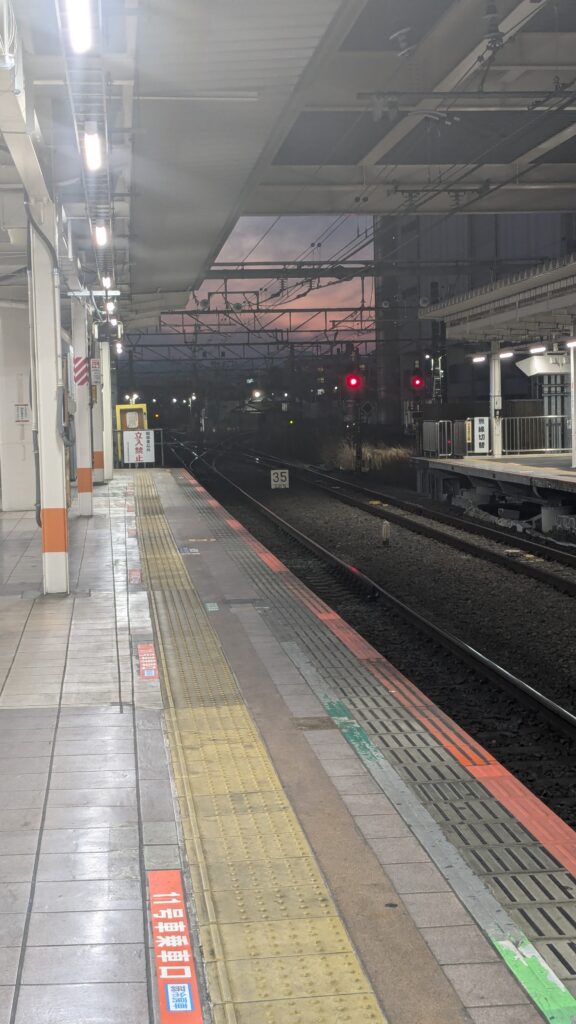
Train Station

After reading all these Japanese social rules, the most important thing is to try. Even if you don’t get it perfect, people here will appreciate that you’re making the effort to learn the culture and language.

Learn how to make friends in Japan here!

That said: if you break a rule, it’s likely that no one will say anything. But certain behaviors can lead to stricter regulations for foreigners overall. And that’s how everyone ends up paying the price for a few people.

Also: did you know that strong perfumes can be bothersome in Japan? Just like you’re expected to keep your voice low, your scent should be subtle too—especially in restaurants, where the food’s aroma is prioritized.

🎭 Customs That Surprise (and Others That Exhaust)

Following so many rules might feel like a downer, but it’s also part of what makes Japan so organized. That said, it’s not all perfect.

The good:

  • Punctuality
  • Cleanliness
  • Safety
  • Respect

The tiring:

  • Rigidity
  • Excessive formality
  • Lack of spontaneity
  • Indirect communication

If you come as a tourist, many things will feel charming. But if you come to live here, you’ll start to notice other cultural layers… and some of them don’t come with instructions. Living here also means learning to read between the lines.

🎒 Tips to Avoid Missteps on Your First Trip (or Move)

  • Observe first, act later.
  • Ask for permission with your eyes or a slight bow.
  • Don’t force conversations: silence isn’t always awkward.
  • Learn to say sumimasen and arigatou gozaimasu (they’ll save you a thousand times).

💭 Do You Idealize Japan? This Blog Isn’t Here to Convince You—It’s Here to Prepare You

This article isn’t meant to convince you that Japan is perfect, but to help you come more prepared.
I came with no expectations or idealizations. I watched many videos about both the good and the bad, and still, this country surprised me in a good way: I met amazing people, found good jobs… and yes, I also had hard days (like when I rented my first apartment).

Guide to Renting in Japan as a Foreigner

The key is to arrive with an open mind, curiosity, and respect. If you make a mistake, it’s part of the process. Just don’t do things you wouldn’t even do in your own country (and no, Torii gates are not pull-up bars).

よろしく、

花ちゃん。

Friendship in Japan: My Personal Experience and Tips 👥

皆さん, こんにちは!

When we move to another country, we don’t just face changes in culture and language—we also face changes in our personal relationships. Loneliness can be a big challenge, but building a network of friends makes the experience much more manageable. Today, I want to share my experience with friendship in Japan and some tips for making friends in such a different environment.

amistad en japón

💕 The Importance of Friendship When You Emigrate

When we move abroad, it’s normal to feel uncertain about how we’ll make friends. Whether we move nearby or to the other side of the world, the culture and customs are different, and adapting can be challenging.

Loneliness can lead to regret or even the desire to return home, but having a community that shares our language and customs can make the transition much easier.

Before moving to Japan, I spent five months in Mexico. Although my sister was already there, I was worried about not making friends. That’s why, before traveling, I searched for Facebook groups from my city and K-pop fan groups (especially BTS). I made a post and a girl added me to a WhatsApp group. Thanks to that, I met several people, and my experience was much richer and less dependent on my sister.

🌐 Why Having a Community Abroad is Key

Although it’s essential to meet local people, it’s also important to have a support group that shares your language and experiences. This helps:

  • Provide emotional support during tough times.
  • Share useful information about paperwork and daily life.
  • Find company for outings or trips.
  • Overcome loneliness and enjoy the experience more.

In my case, meeting other Argentinians with a Working Holiday visa in Japan was crucial. We formed a WhatsApp group that started with 3 or 4 people and eventually grew to 200 members. With the original group—around 20 of us—we’re still in touch and sharing experiences.

These kinds of communities become essential when facing challenges like job hunting, finding a place to live, or simply wanting to share experiences with someone who truly understands.

amistad en japón

👘 Expectations vs. Reality: My First Experience with Friendship in Japan

Before coming to Japan, I tried not to build expectations, but I had heard things like:

  • It’s hard to make Japanese friends.
  • They’re very formal and reserved.
  • They don’t say what they really think.
  • Plans are always made well in advance.

Some of these things were true, but others weren’t. There are cultural patterns, but also exceptions.

What I Expected vs. What I Found

From the beginning, I had a positive experience. Besides the Argentinian group, I also made Japanese friends—mainly through work.

At first, it was hard to connect with one of them. Every time I invited her to go out after work, she said she couldn’t. I thought maybe she didn’t like me, or was being “tatemae” (what we would call fake in Argentina). But one day, she invited me out for a drink. That’s when I realized she really couldn’t before because she lived far away.

amistad en japón

Friendship in Japan was different from what I was used to. In two years, we’ve hung out one-on-one maybe five times, but during those times, we talked a lot, laughed, I taught her Argentine slang, and we even filmed dance videos together.

More than “expectations vs. reality,” it’s about understanding that friendship in Japan can work differently.

How to find a job in Tokyo with Working Holiday Visa?

💬 The Language Challenge: How I Communicated at First

My Japanese friends speak English and have open minds because they’ve lived abroad or have foreign friends. That made communication easier. But if someone only speaks Japanese and isn’t used to dealing with foreigners, it can be harder to connect.

I tried to build a friendship with a girl I had followed on Instagram since 2019. We met up a few times and had fun dancing K-pop, but it didn’t go beyond that. The language barrier kept the relationship superficial.

Tip: If you want to make Japanese friends and immerse yourself in the culture, learning Japanese is key. The more you understand the language, the more doors will open for you. It helps to learn everyday phrases for casual conversation and to show genuine interest in their culture.

✔️ Practical Tips for Building Friendship in Japan

If you want to connect with Japanese people, I recommend:

  • Studying Japanese.
  • Looking for Japanese people who speak English or have lived abroad.
  • Using apps like Meetup to find groups with similar interests or joining language exchange events.
  • Being patient and understanding that friendship may develop differently from what you’re used to.
  • Participating in local activities like volunteering or festivals to meet people naturally.
  • Showing genuine interest in their culture—from food to traditions.

🧑‍🤝‍🧑 Where to Meet People

  • Meetup and language exchange events.
  • Work: If you’re on a Working Holiday visa, you’re likely working in restaurants or shops with both Japanese and foreigners. It’s a good starting point, although many of those connections end when someone changes jobs.
  • Other apps like Bumble BFF.
  • If you enjoy nightlife, you can meet people in bars or clubs.

🌎 The Role of the Latin Community in Japan

Argentinian dinner in Japan

Just like in Mexico, I searched for Argentinians with a Working Holiday visa in Japan. We started as a small group and, over time, it became a large community.

With this support network:

  • We helped each other.
  • Shared useful information about work and life in Japan.
  • Organized trips and events together.
  • Built bonds that go beyond time and distance.

Some of us even ended up living in the same share house and working together.

Renting in Japan being Foreigner

☮️ Conclusion: My Path to Genuine Friendship in Japan

During my Working Holiday in Japan, I made incredible friendships and lived unforgettable moments. The hardest part was the goodbyes, but those of us who stayed in Tokyo became even closer.

The friendships we make when we move abroad are sometimes temporary, but they leave a powerful mark on our lives. And who knows? Maybe you’ll meet again somewhere in the world!

If you’re planning to come to Japan, don’t be afraid to step out of your comfort zone. It may take time, but with patience and an open mind, friendships will come when you least expect them. Don’t shut yourself off from the experience!

よろしく,

花ちゃん。

Renting in Japan as a Foreigner: Problems and Tips 🏠

I decided to write a dedicated article about Renting in Japan because I had an experience I’d like to share so that you can keep it in mind and hopefully avoid going through the same thing. So, I invite you to read my tips!

🙅🏻‍♀️ Is Renting in Japan Difficult as a Foreigner?

You’ve probably heard that it’s hard to rent in Japan if you’re a foreigner due to many restrictions and the language barrier. The truth is, there are lots of requirements and upfront costs involved, so yes, it’s complicated—but not impossible.

alquiler en japón

🔑 Basic Requirements for Renting

  • Having a visa that allows you to stay in Japan for at least two years (since most contracts are for a minimum of two years).
  • Having a job contract to prove you earn enough to pay rent regularly, or some proof of income.
  • Having a Japanese guarantor—this can be a Japanese friend, a foreigner with permanent residency, or a guarantee company you can hire.
  • Paying initial costs.
  • Having a Japanese phone number and bank account.
  • Doing an interview or online application where you’ll answer questions about your job, whether you agree to building rules, and more.

Staying in Japan After a Working Holiday Visa

🗣️ The Language Barrier When Renting in Japan

Trying to rent without knowing Japanese is a big challenge. If you want to rent directly from a landlord, you’ll need a lot of luck—they must be open to renting to foreigners and/or speak English.

Also, some may take advantage of your lack of Japanese to overcharge you.

So, the easiest route is to look for real estate agencies that work with foreigners and offer support in various languages.

🏘️ Steps to Rent an Apartment in Japan

STEP 1: Look for Accommodation
Recommended websites:

You can filter by area, monthly budget, apartment type, walking distance from the station, square meters, and more.

STEP 2: Choose Multiple Options
Depending on the time of year, the place you wanted may suddenly become unavailable. You can send just one email with a preferred option and the agent will suggest alternatives based on your needs.

STEP 3: Submit Your Documents

  • Passport
  • Residence Card
  • Employment Certificate
  • Latest payslips
  • Tax statement or income certificate
  • Japanese phone number and bank account
  • A Japanese guarantor
  • Initial payment (advance rent, deposit, agency fees, fire insurance, etc.)

STEP 4: Sign the Contract & Get the Keys
Once everything is paid and the contract is signed, they’ll hand over the keys and you can move in.

Kichijoji, Tokyo

IMPORTANT: Most contracts are for at least 2 years. Some mention “possible renewal,” but this isn’t guaranteed—keep that in mind!

✔️ Pros and Cons of Renting in Japan

Pros:

  • There are affordable options in convenient areas and in good condition.
  • Some rentals include basic utilities like water and internet.
  • Agencies usually help you set up services like electricity, gas, etc.
Ukimafunado Park, Itabashi

Cons:

  • Some landlords reject foreign tenants.
  • Strict rules (no modifications, noise restrictions, no pets, etc.)
  • High initial and exit costs (some agencies try to overcharge for repairs).

🙋🏻‍♀️ My Experience Renting in Japan

When I first arrived on a Working Holiday Visa, I moved into a share house in Itabashi. The room was tiny and the place was dirty. Three months later, I moved to another share house in Asakusa, where I lived with other Argentinians and had a much better experience.

When I changed my visa, I decided to rent my own apartment. I contacted Wagaya, but due to high demand, it was a tough process. I eventually found a place in Setagaya, planning to stay until 2027. However, at the end of the year, I got a letter saying I had to leave by March 2025—there had been a misunderstanding and the landlord didn’t want to renew.

After talking with friends, someone connected me with a direct landlord and I got a new place: better location, bigger, lower initial costs—and again, with Argentinian neighbors!

Take a look on How to Make Friends in Japan

alquiler en japón
Sensoji Temple, Asakusa

But the biggest issue came later: the previous real estate agency tried to charge me a large amount of money for “cleaning and repairs.” I filed a complaint and even threatened legal action, managing to cut the cost in half and get my deposit back.

💡 Final Advice

If you can rent based on other foreigners’ recommendations, even better. And if you go through a real estate agency, check the costs carefully and dispute anything unfair.

Also, keep in mind that even if the contract says “renewal possible,” it often (if not always) doesn’t happen. So read carefully how long your stay is and, if you’re not okay with it, speak up at the beginning or look for another option.

For more info or to file a complaint:
🔗 Kokusen Housing Complaints Website (JP)

✅ Conclusion

Renting in Japan can be challenging, but with information and caution, you can find a great place. I hope this guide is helpful and helps you avoid the issues I faced! If you have any questions or want to share your experience, feel free to leave a comment.

Work Visa Japan: How Did I Stay in Japan? 🏯

皆さん, こんにちは!
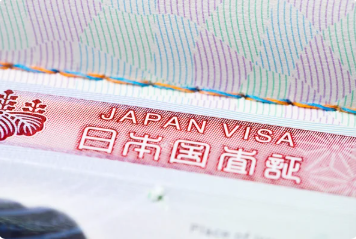
Today I’m bringing you an article I know many of you will find interesting, because it’s one of the questions I get asked the most on Instagram: How did I manage to stay in Japan after my Working Holiday Visa ended?

In Japan, you have to put the money in a tray

Here, I’ll share the entire process in detail, what my experience was like, and what other visa options exist, so you can have everything on the table.

🏢 The Challenge of Getting a Work Visa in Japan

For some people, one year in Japan just isn’t enough—so that’s when the search to extend your stay begins. Although there are several types of visas, the work visa is one of the more accessible options.

Now, if it were easy, we’d all stay, right? The first challenge is finding a job willing to sponsor you, and the second is having a university degree or several years of experience in the field.

But don’t worry—if you truly want to stay and start the job hunt early, you can absolutely make it happen.

👤 My Company Offered to Sponsor Me, But I Had to Do the Paperwork Myself

As I mentioned in another article on How to Find a Job in Japan,” I started working at a cookie shop almost as soon as I arrived in the country. Honestly, I was very lucky to take that job—I initially thought I’d only stay a few months and maybe move to Osaka. But plans changed (for the better).

Before my 3-month trial period ended, my boss asked if I wanted to stay in Japan. I had already known the answer since the first month, so I said yes, but explained I’d need to save up for a student visa or find a job with sponsorship.

Autumn in Harajuku

That’s when she told me they could help. She asked if I had a university degree and told me to look into what documents I’d need from the company, because they could provide them. In that moment, I was the happiest person in the world. Since I still had plenty of time before my visa expired, I was able to calmly start preparing everything.

The only downside was that, although the company gave me all the necessary documents, I had to do the application myself. Some companies handle the whole process for you and submit everything to immigration—but that wasn’t the case here.

❗ I Found Out I Had to Apply for the “Humanities and International Services” Visa

If you’re in a similar situation, don’t stress—you have more than enough time. You’re asked to apply about three months before your Working Holiday Visa expires, so there’s time to gather everything you need.

In my case, when I went to immigration to ask, they told me there wasn’t a specific visa for the type of work I was doing. That worried me a bit, but after checking with my company, they explained I needed to apply for the Humanities and International Services Visa, which is basically the most common work visa in Japan.

Once I found out which visa I needed, I researched all the requirements thoroughly. I’ll leave a link to a site in English where everything is clearly explained.

Take a look to all the requirements here!

https://flordejapon.com/como-encontrar-trabajo-en-tokio-con-visa-working-holiday/
Going to work on a rainy day in Tokyo

🇦🇷 Work Visa Types in Japan for Argentinians

If you’re not eligible for the Humanities and International Services Visa, there are several other options:

Types of Work Visas in Japan:

  • Humanities and International Services Visa
  • Engineer Visa
  • Skilled Labor Visa
  • Business Manager/Investor Visa
  • Intra-Company Transferee Visa
  • Artist Visa
  • Journalist Visa

You can find more info about each one on this website.

Other Types of Visas:

  • Cultural Activities Visa
  • Student Visa
  • Dependent Visa
  • Designated Activities
  • Permanent Resident
  • Visa for Japanese Descendants

If you want to see all available options, check out the Immigration website.

🎌 The Process of Getting a Work Visa in Japan

Personal Documents Required:

  • Copy of your passport and national ID
  • Visa application form
  • ID photo
  • Certificate of Eligibility (COE)
  • Zairyu Card
  • CV
  • University degree (4-year programs, like a teaching degree, are valid)
  • If you have work experience, submit a recommendation letter or employment certificate
  • Proof of salary payments and tax withholding

Documents Your Company Must Provide:

  • Company registration certificate
  • Company description
  • Company brochure (if available)
  • Financial statement
  • Business plan (if it’s a new company)
  • Letter of acknowledgment
  • Employment contract

Key Tip: Everything can be submitted in English, and you don’t need to apostille or professionally translate your degree.

What to do in your first week in Japan with Working Holiday

Some people hire a lawyer to make sure everything’s in order and avoid issues with immigration.

🤔 How Long Does It Take to Get the COE?

Once you submit everything, they can email you the COE. They say it usually takes around three months, but it depends on the case. Some people got it in one month, others waited six.

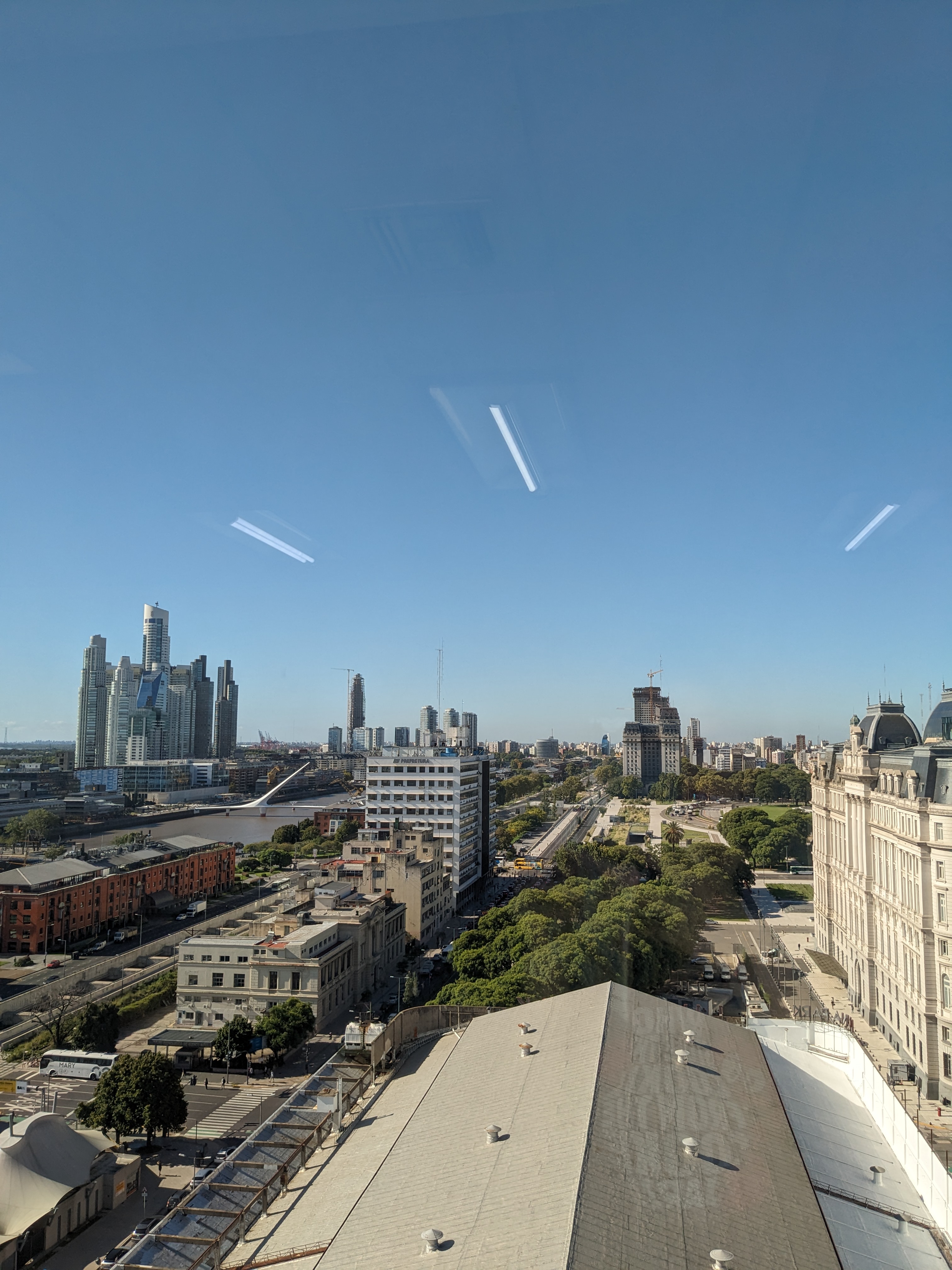
In my case, I got it after one month—just five days before flying to Argentina. Since I’m from the countryside, I took the opportunity to do the visa process at the Japanese Embassy in Buenos Aires as soon as I arrived.

✈️ Do You Have to Go Back to your Country for the Process?

Another common question is whether you can stay in Japan or travel to a nearby country to change your visa.

The truth is, at least for Argentinians, no—but only when it comes to the Working Holiday Visa. So, I recommend you to ask your embassy about your situation.

https://flordejapon.com/como-encontrar-trabajo-en-tokio-con-visa-working-holiday/
View from the Japanese Embassy in Buenos Aires, Argentina

That said, even though I also thought it was a long and expensive trip, I highly recommend taking the opportunity to visit your family and friends—especially if you get a visa for 3 or more years, since you won’t know when you’ll be able to return. Just think of it as a vacation!

✍️ Key Tips

  • Don’t leave everything until the last minute
  • Research the visa type that fits your case
  • Finish your degree, study Japanese, or gain work experience
  • If your application gets rejected, ask why and try again
  • Don’t hesitate to ask for help in Facebook groups or from people who’ve been through it

I hope this info is helpful!

よろしく、

花ちゃん。

Working Holiday Japan: Paperwork for your first week 🗾

皆さん, こんにちは!

How are you all doing? I hope you’re well!
In this post, I’ve put together a guide with the most important procedures you’ll need to complete during your first days in Japan.

I know — it can feel overwhelming at first, with so many things to take care of. But remember: all the effort is worth it, and you’ll have a whole year ahead to enjoy this amazing adventure that is the Working Holiday in Japan.

Keep reading so you don’t forget anything essential!

working holiday japón

Step by Step 📝: How to Register Your Address at the Ward Office in Japan

The very first and most important step is registering your address at the local Ward Office (also known as City Hall) where you’ll be living.

If you’re staying at a hostel, capsule hotel, or something similar during your first days, keep in mind that you won’t be able to register that as your official address. You’ll need to wait until you move into a share house or more permanent housing.

Once you have your official address, simply search “Ward Office” or “City Hall” on Google Maps and head to the nearest one. If you’re lucky, you might find English-speaking staff. If not, no worries — a translation app will do the trick!

Here’s what to do:

  • Let them know you want to register your address.
  • Ask if there’s someone who speaks English. If not, proceed with a translator.
  • You’ll be asked to fill out a form with your personal details and full address. Make sure to include the postal code, prefecture, city, ward, area, block number, building name, and room number. Here’s an example:

160-0004 Tokyo-to, Shinjuku-ku, Yotsuya 1-1-1 “Building Name” 101
〒160-0004 東京都新宿区四谷1-1-1 “Building Name” 101

Don’t worry about writing it in kanji — it’s perfectly fine to write it in romaji like in the example above.

Once you’re done, you’ll receive a number. Just wait until you’re called.
When you’re seen, mention that you’re on a Working Holiday Visa and request the pension exemption.

You’ll receive your Zaryu Card with your address officially registered, and you’ll also be enrolled in the National Health Insurance (Kokumin Kenko Hoken).

Don’t forget to bring your passport!

➡️ Moving to a different area?
You’ll need to notify the ward office and re-register your new address to update your residency card.

Guide for your first day in Japan

Zaryu Card in Japan 🪪: What You Need to Know About Your Residence Card

working holiday japón

So, what’s a Zaryu Card?
It’s basically your ID in Japan. This residence card is issued to foreigners who are staying for more than 90 days and proves your legal status in the country. You’ll need it for many things — from registering at the ward office to getting a job.

It includes:

  • Your full name
  • Nationality
  • Visa type
  • Expiration date

Since the Working Holiday Visa is valid for one year, your Zaryu Card will reflect that.

🛬 When you arrive in Japan, mention your Working Holiday Visa at immigration, and you’ll receive your card right at the airport.

National Health Insurance in Japan 🏥: Why You Need It and How to Enroll

When you register your address, you’ll also be required to sign up for the National Health Insurance (Kokumin Kenko Hoken).

Even if you already have travel insurance, the national insurance is mandatory, and you must pay a monthly fee.

Why is this so important?

  • Medical coverage: It covers most medical costs — hospital visits, medication, emergencies, surgeries, etc. You usually pay only 30%, while the insurance covers 70%.
  • Fines: If you don’t enroll, you could face legal penalties.
  • Family coverage: If you have dependents, they will also be covered.

If you’re hired by a company, they may provide their own health insurance, in which case you won’t need the national one.

Pension in Japan with a Working Holiday Visa: Do You Need to Pay? 🤔

The Japanese pension system can be intimidating due to its relatively high cost compared to health insurance. But if you’re on a Working Holiday Visa, you can request an exemption and avoid paying it.

What is the pension system?

It’s Japan’s retirement system. If you work for a company, a portion of your salary will go to the pension fund. In case you’re self-employed, you’ll have to pay it directly.

If you decide to stay longer in Japan, you’ll eventually need to start contributing.

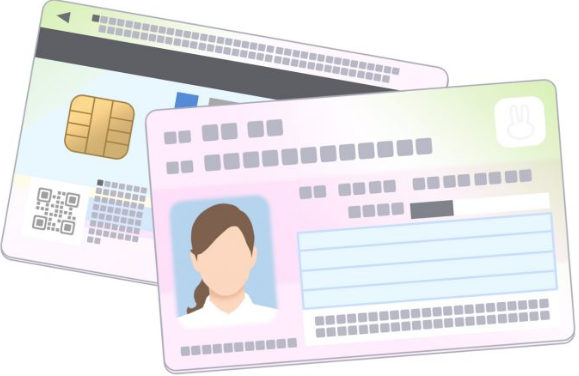
My Number Card in Japan 🪪: What It Is and How to Get One

The My Number Card is a personal ID card with a unique number assigned to every resident in Japan. It’s used mainly for tax, social security, and other administrative services.

Sample My Number Card

🧾 What can you do with a My Number Card?

  • Access online government services
  • Apply for pension, health insurance, tax returns, etc.
  • Receive social benefits

Is it mandatory?

No, but the My Number itself is required for various processes. If you want the physical card, you can apply for it at your local ward office or online.
Just fill out a form, upload a recent photo, and wait about two weeks for delivery.

👉 More info on the My Number Card here

🏦 Opening a Bank Account at JP Bank: Best Option for Working Holiday in Japan

Lastly, let’s talk about opening a bank account.

When you first arrive, options can be limited. Many banks require you to have been living in Japan for 3 to 6 months.

In my case, the company I worked for used Mizuho Bank, which required at least 3 months of residence. So my first salaries were paid in cash. Later, my boss helped me open a bank account.

If you’re new to Japan, JP Bank is one of the best choices. They don’t require a minimum stay.

💼 Requirements to open a JP Bank account:

  • Japanese address
  • Zaryu Card

✅ Advantages:

  • Quick and simple process
  • Many branches have English-speaking staff
  • No maintenance fees and international transfers available

How to find a job in Japan?

Final Thoughts: What You Should Know Before Starting Your Working Holiday in Japan ❗

These procedures might seem long or tedious at first, but trust me — they’re essential to help you get settled and avoid feeling lost during your first days in Japan. Once everything’s done, you’ll be ready to fully enjoy your time in this amazing country!

In upcoming posts, I’ll share personal experiences, recommended places to visit, the Argentine community in Japan, and much more.

Enjoy your adventure!

よろしく,

花ちゃん。

How to Find a Job in Japan?: The Working Holiday Visa 👩🏻‍💻

trabajar en japón working holiday
Harajuku Temple

皆さんこんにちは!

In this article, I want to talk about one of the biggest concerns for people who just arrived in Japan: finding a job on a Working Holiday Visa.

Because yes — the Working Holiday Visa is meant for working and vacationing, right? And while you’re in Japan, of course you’ll want to enjoy it all: eating delicious food, visiting museums, going shopping, and a thousand other things! So don’t go anywhere — I’ll tell you everything you need to know.

🌐 Best Websites to Find a Job in Japan on a Working Holiday Visa

The easiest way — and how I and many others I know found our first jobs — is online. Most people start there. Below are the websites that helped me the most, but I’ll also explain why going in person can sometimes be the winning move.

Craigslist Japan

On this site, you can choose to view “all jobs” or filter by what interests you (though I recommend looking at everything). The site is in Japanese, but you can use a translator. Don’t worry — many job listings are in English.

You’ll find all kinds of opportunities here, but it’s important to read everything carefully. If something seems unclear, don’t hesitate to ask questions. To apply, just click the icon next to the star and select the mail option.

YOLO

You’ll first need to create a profile and verify it using your Zairyu Card (residence card). You can also add an intro video to make your profile stand out.

You can filter jobs by area, Japanese level, and contract type. Common listings include factories, restaurants, hotels, and security positions.

GaijinPot & Jobs in Japan

These two are quite similar. You can filter by job type, location, and keywords. You’ll need to build a resume directly on these sites, and sometimes a cover letter as well.

A big plus: even if you’re not in Japan yet, you can start job hunting from abroad!

LinkedIn

If you already have a LinkedIn account, use it in Japan too. Update your profile, change the location, and write everything in English. If you know Japanese, that’s a huge plus! Though personally, I found more success using the other sites I mentioned.

Company Websites

If there’s a specific company you’re interested in, just Google the name followed by “careers” or “recruitment.” That should take you directly to the job openings. Another tip is to follow their social media (LinkedIn, Instagram, etc.), as companies often post job ads there.

If there aren’t any current openings, don’t be shy — send them a message expressing your interest in joining their team!

🏢 Going to Hello Work Offices

Personally, I didn’t use this option to find a job in Japan on my Working Holiday, so I can’t say how effective it is.

Tips for your Working Holiday Visa Japan

These are government-run employment offices that help foreigners find jobs. Some locations have English or even Spanish-speaking staff. They’ll ask about your interests and experience, and help connect you with companies for interviews.

🔍 The Value of Applying in Person for a job in Japan

Nowadays it’s easy and comfortable to apply online, but showing up in person can give you an edge. If the hiring manager is there, you can make a great first impression. And at restaurants or food spots, you might get an on-the-spot interview — and even start working immediately!

Chains like McDonald’s and other fast food places are usually easy to get into.

Also, some shops don’t post online — they just put up a sign in the window. So always keep your eyes open while walking around! I suggest carrying a few printed resumes with you. Just be aware that some places will ask for a Japanese resume (Rirekisho). But don’t worry — you can download the format online and use a translator or search for “Rirekisho template.”

📝 Writing a Resume in Japan & Keeping an Open Mind

As I mentioned, for part-time jobs, an English resume is often enough. I made templates on Canva and tailored each one depending on the job.

For example, if I was applying to be a Spanish or English teacher, I didn’t mention my job at an ice cream shop in Argentina — but I did mention it when applying to a cookie store.

trabajar en japón working holiday
Argentinian sweet that I made in a restaurant

When I first arrived in Japan, I focused on finding jobs related to my background. But all my experience was in Spanish, and I had almost none in English or Japanese — which turned out to be a big obstacle. So I opened my mind and started looking for different kinds of work.

Why choose Japan for a Working Holiday?

🇯🇵🗣️ Do You Need to Speak Japanese or English to get a job in Japan?

A common question is: do I need to speak the language to get a job?

The short answer: no — but the better your Japanese, the more job options you’ll have.

As for English, if you don’t speak Japanese, it helps to know at least a little. But I’ve even met people who got jobs only speaking Spanish! Look for Spanish restaurants or behind-the-scenes roles like dishwashing or hotel cleaning, where no customer interaction is needed.

💁🏻‍♀️ My Personal Working Holiday Experience in Japan

During my first month, I took it easy and only applied to writing and social media jobs. I had a few interviews that seemed promising, but something was always missing. My lack of English-language experience was holding me back, so I changed direction.

A festival near one of my work places

One day, I went to get ice cream with friends at a cookie shop and saw a “We’re Hiring” sign. I wrote down the email, sent my resume, and soon I had an interview — and they hired me! At the same time, I sent my CV to a restaurant I found on Craigslist. The next day, they called me in for an interview — and I ran into an Argentine friend I had met in Japan! It was such a crazy, happy surprise. They asked me a few questions, offered me the job, and that’s how I started my first job in Tokyo.

Later, a friend offered me another job at a different restaurant. For about a month, I had three jobs at once. Eventually, I had to quit the first one — it paid the least and was the most tiring.

Tips and Benefits of the Working Holiday Visa in Japan

Over time, I kept working at the second restaurant (which ended up getting really popular among Argentinians and Brazilians 😂) and at the cookie shop. Both jobs were flexible and the people were incredibly kind. After a while, the cookie shop offered to sponsor my visa — and I still work there to this day! It’s been nearly two years now, but that’s a story for another blog post.

🎌 Final Thoughts: Make the Most of Working in Japan

To sum up: the Working Holiday Visa is perfect for getting flexible job in Japan, exploring Japan, and soaking in the culture. It’s not ideal if your main goal is to save a lot of money, but if your goal is to enjoy Japan and gain new experiences — it’s absolutely worth it.

They made a birthday cake for me

Don’t get discouraged if you can’t find your dream job right away. Working in different sectors is also a great experience — and you’ll meet amazing people along the way. What matters most is to try and enjoy every minute of your time in Japan.

In my next post, I’ll talk about the paperwork we all hate: opening a bank account, registering your address, getting health insurance, and more.

よろしく、

花ちゃん。

Guide for Japan: your first day with WH ✏️

guide for japan
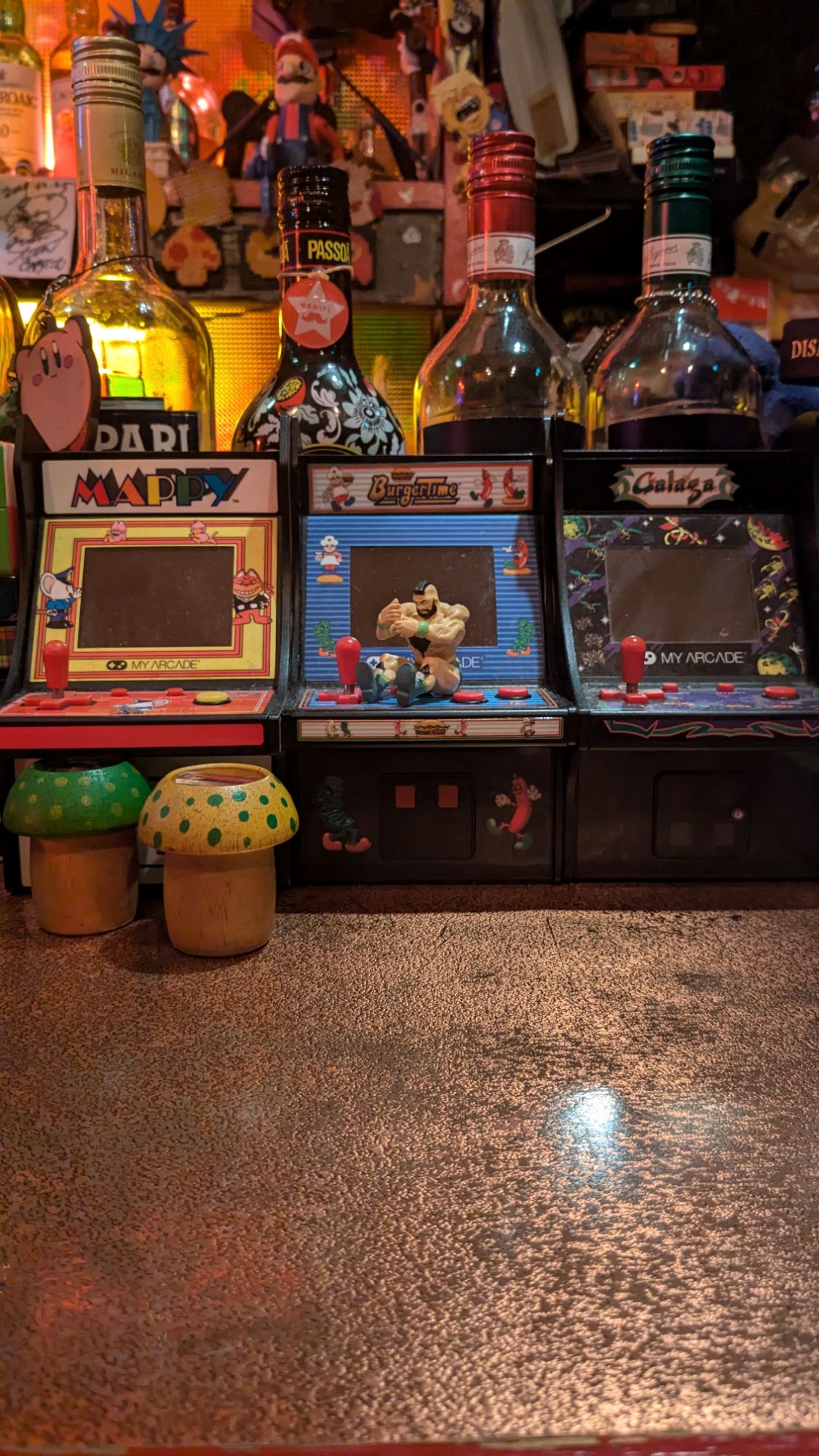
Videogame bar

皆さん, こんにちは!

Welcome to my blog, where I share tips and experiences about life in Tokyo with a Working Holiday Visa—and what comes after. If you’re about to land in Japan, this guide for Japan will walk you through what to expect from the moment you step off the plane.

🛬 First thing in this guide for Japan: What to do when you land at the airport

guide for japan
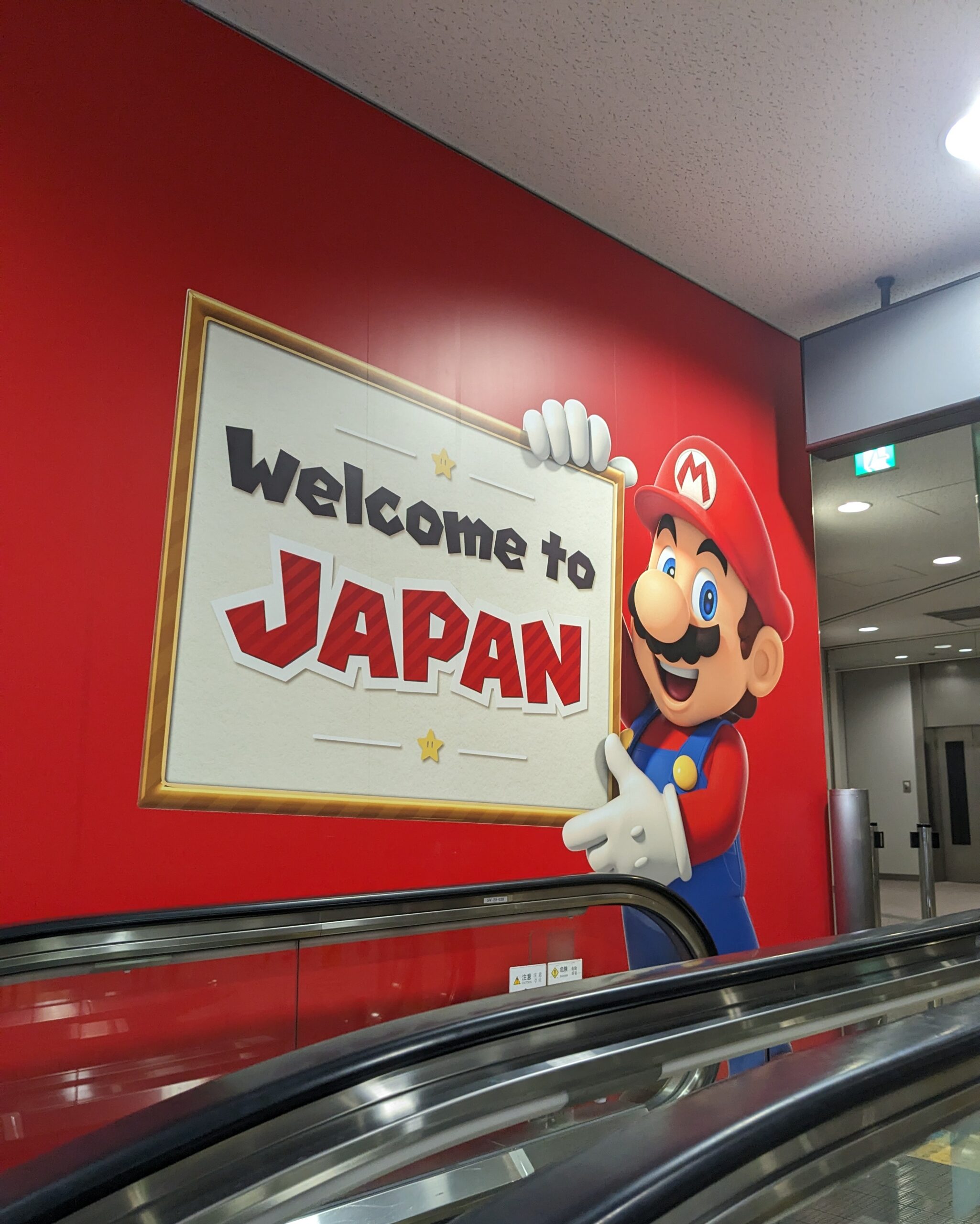
Narita Airport with Mario Bross

After a long trip, I finally arrived in Tokyo, Japan. I landed at Narita Airport, though Haneda is often a better option since it’s closer to central Tokyo.

As soon as you get off the plane, you’ll notice the unique Japanese atmosphere—bright characters and kind, organized staff who guide you every step of the way. Don’t worry if you don’t speak Japanese; the airport staff will do their best to help, even walking with you to your next location.

If you have a Working Holiday Visa, follow the line for visa holders. Show your passport and visa, and you’ll be issued your Zairyu Card (residence card), which is essential for things like renting an apartment, opening a bank account, or working legally.

Once you have your card, pick up your luggage and you’re ready to begin. Don’t forget to pick up your SIM card if you ordered one online. I used Mobal, which I collected at the airport. I recommend switching later to more affordable options like JP Smart or Rakuten.

🚆How to get to your accommodation from the airport

Esta imagen tiene un atributo alt vacío; el nombre del archivo es pxl_20240809_2353098203547227246943223005.jpg

Let’s continue with this guide for Japan…

Narita is quite far from central Tokyo, but there are several transport options depending on your budget, comfort level, and arrival time.

If you arrive late and there are no more trains, it’s a good idea to stay overnight at a nearby capsule hotel and travel the next day.

I arrived in the morning and chose the safest option: I bought a Skyliner ticket in advance. It’s a fast train with reserved seats and luggage space. It dropped me off near my hotel. It’s very convenient, though a bit pricey (around 3,000 yen).

Discover how was the beginning of my trip in Japan

If you want to save money, use Google Maps to explore all available routes. Another option is using a luggage delivery service (like Yamato Transport) to travel without the hassle of carrying heavy bags.

💸 Exchanging dollars to yen: What you need to know in this guide for Japan.

Before leaving the airport, it’s smart to exchange a small amount of dollars to have some cash on hand.
However, don’t exchange everything there—the rates aren’t great. I recommend going to Shinjuku, especially Ninja Exchange, near Omoide Yokocho, where you’ll get a much better rate.

Esta imagen tiene un atributo alt vacío; el nombre del archivo es img_20230216_120538889_hdr.jpg
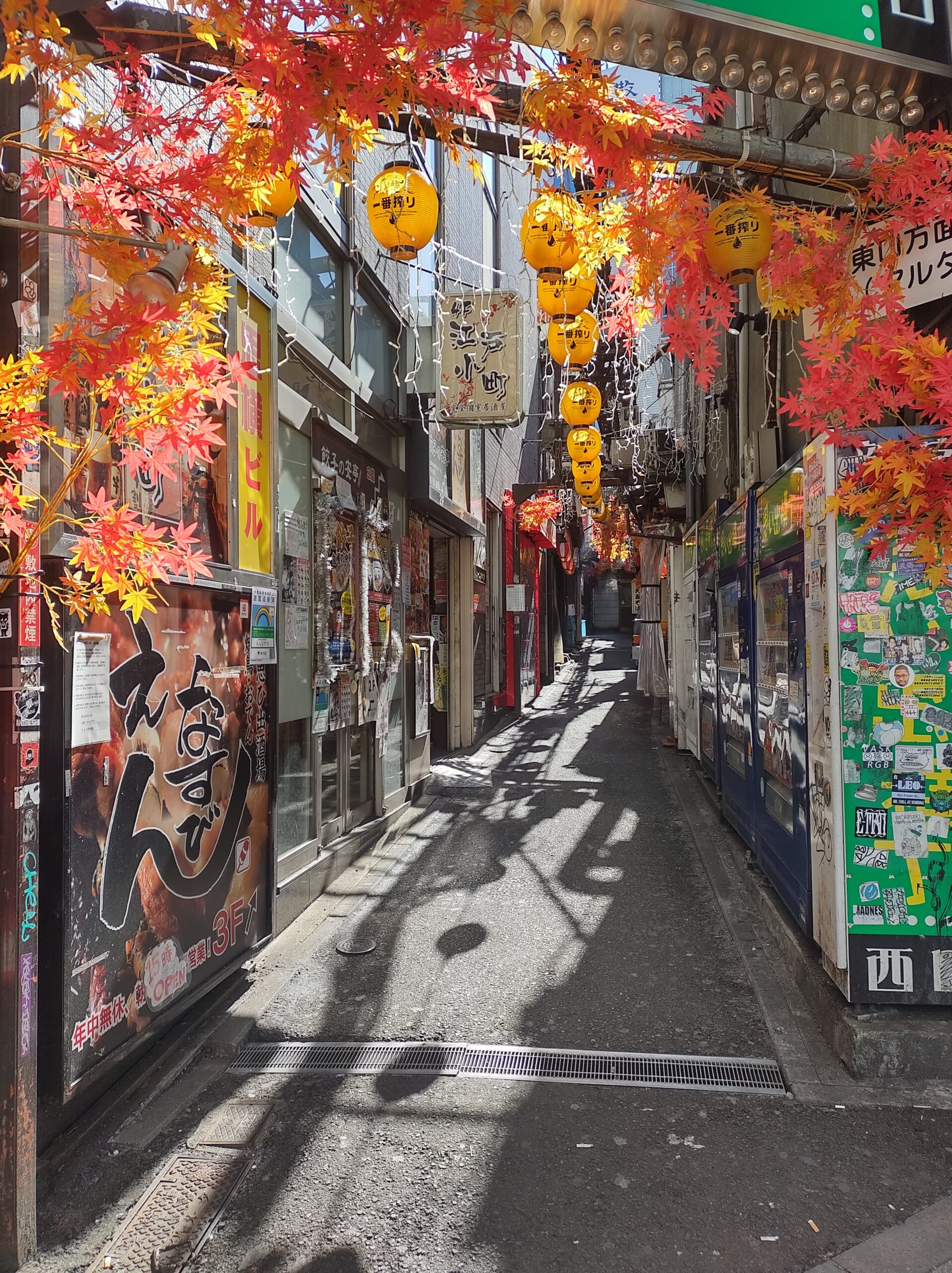
Omoide Yokocho, Shinjuku, Tokyo

🗼My personal experience: First day in Japan

Even though I had everything planned, my first day was quite an adventure. After landing, I went to pick up my SIM card. The staff helped me install it, but my phone wasn’t working properly. I figured it was a temporary issue and kept going.

On my way out, a TV crew asked me for an interview. I was jet-lagged, disoriented, and nervous, so I politely declined. After that, I took the Skyliner to Nippori. I didn’t speak Japanese, and my phone still wasn’t working, so I felt a bit anxious. Luckily, I had checked the map earlier and knew the hotel was close. I walked with my luggage until I found it—and right then, my phone started working again. What a relief.

That’s how my life in Japan began—tired, excited, and full of small surprises.

Esta imagen tiene un atributo alt vacío; el nombre del archivo es img_20230216_133940402_hdr3408437678400380695.jpg
Kabukicho, Shinjuku

😴 Dealing with jet lag

Flying from the other side of the world can be exhausting. Ideally, you should plan your sleep during the flight. If you’re arriving in the morning, try to sleep in the final hours of the trip. I couldn’t sleep much because of nerves and excitement, so I dealt with jet lag for a few days after arriving.

🙌🏻 Final thoughts

Arriving in Japan on a Working Holiday Visa will be a once-in-a-lifetime experience filled with stories. Don’t worry if things don’t go exactly as planned—there’s always a solution. What matters is staying calm, being prepared, and enjoying this exciting new chapter.

Hope you liked this guide for Japan and thanks for reading!

よろしく、

花ちゃん。

« Older posts

© 2025 Nihon no Hana

Theme by Anders NorenUp ↑